French(to)English French Grammar Lab

Introduce Yourself in French: Phrases for Real Situations
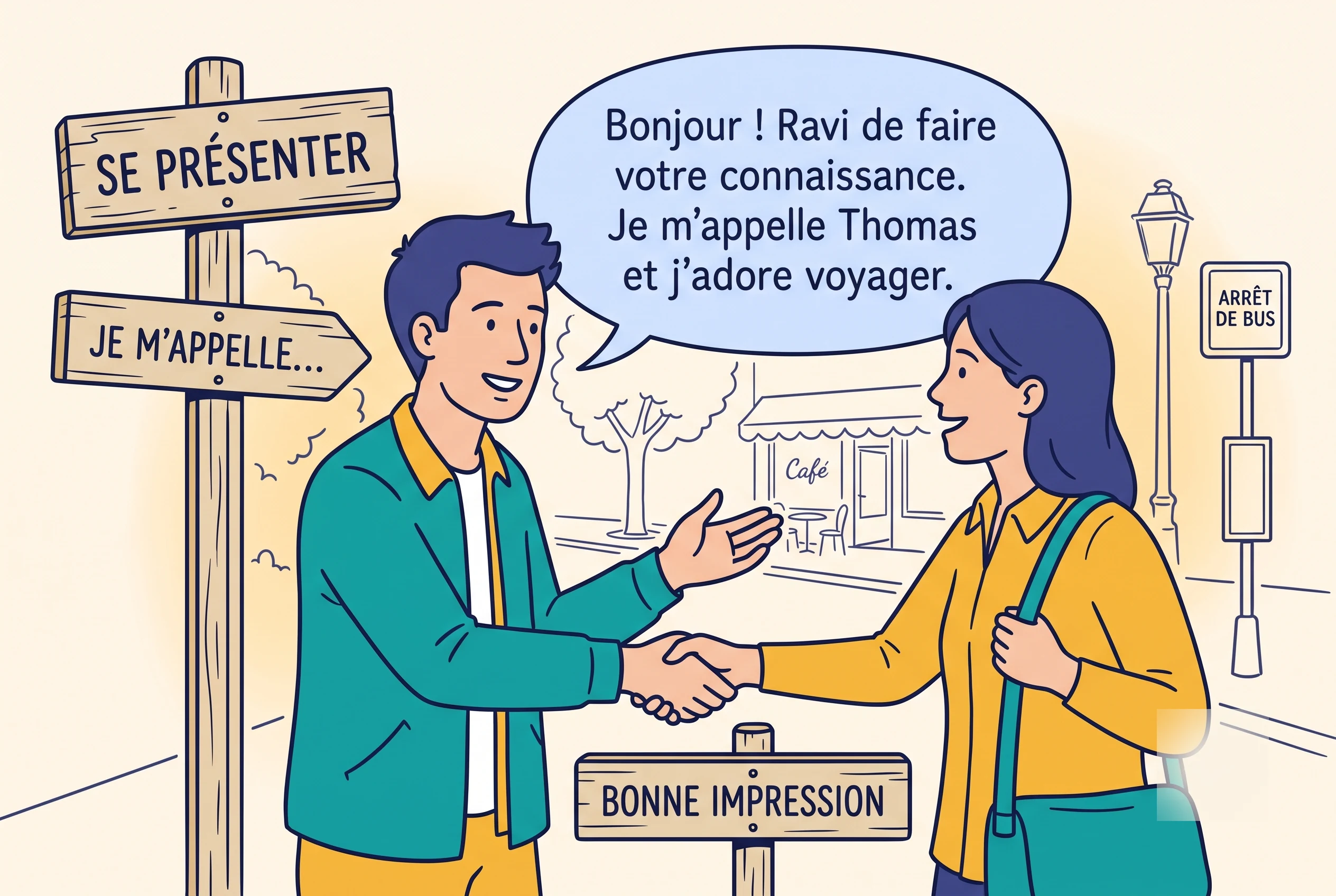
How to introduce yourself in French naturally beyond je m'appelle

Learn French introductions for social and professional situations. Compare formal and informal wording, follow-up questions and example templates. A good introduction gives the other person enough information to continue the conversation. Start with your name, then choose details that suit the setting. The examples show how to expand beyond a memorised sentence.
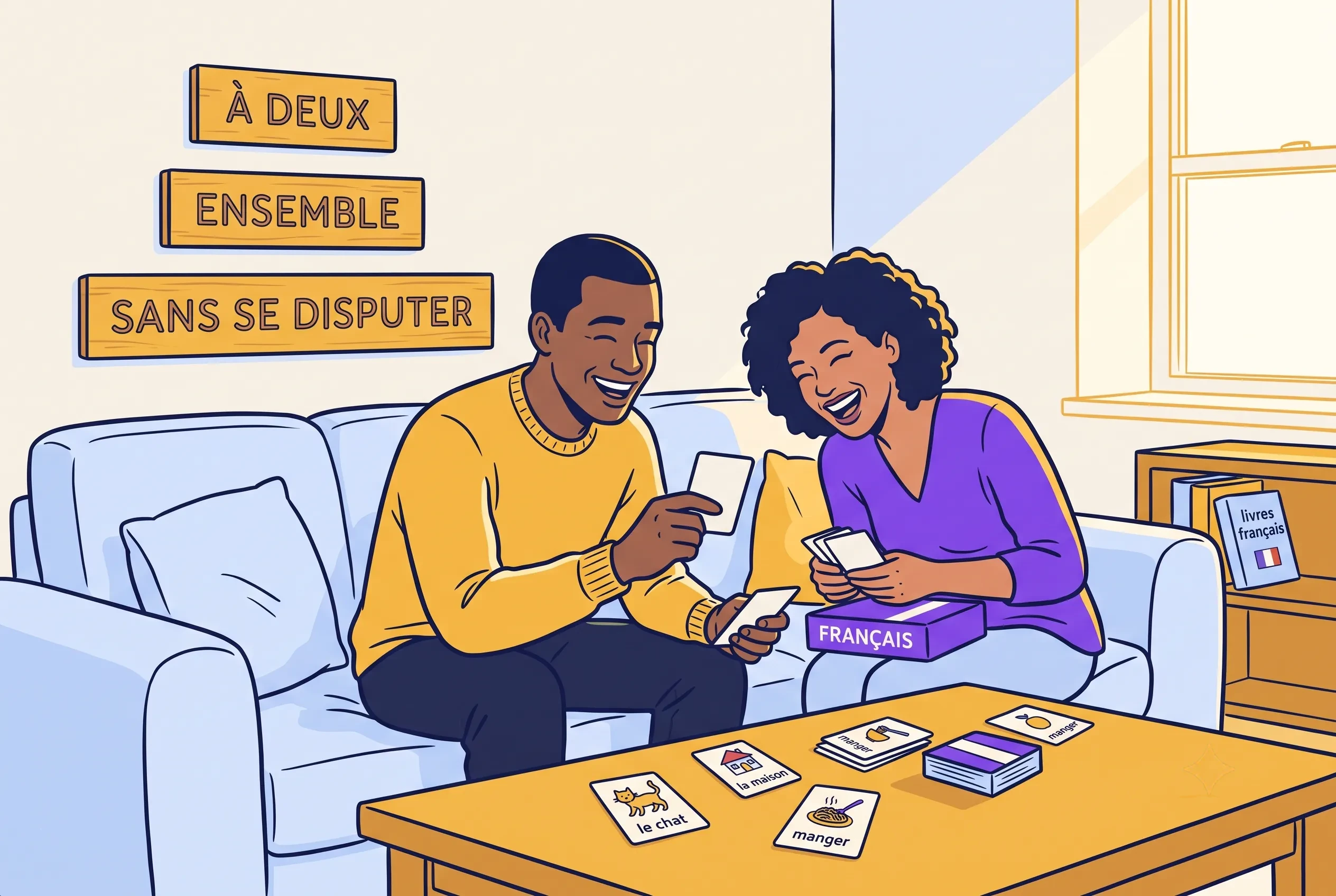
Learn French as a Couple: Activities and Study Habits

Learning French as a couple without arguments using practical study methods

Build a French study routine with your partner. Compare shared activities, different learning speeds and ways to give useful feedback. Partners do not need to progress at the same speed to practise together. Choose activities with a shared purpose, agree how to correct each other and leave room for individual study alongside the joint routine.

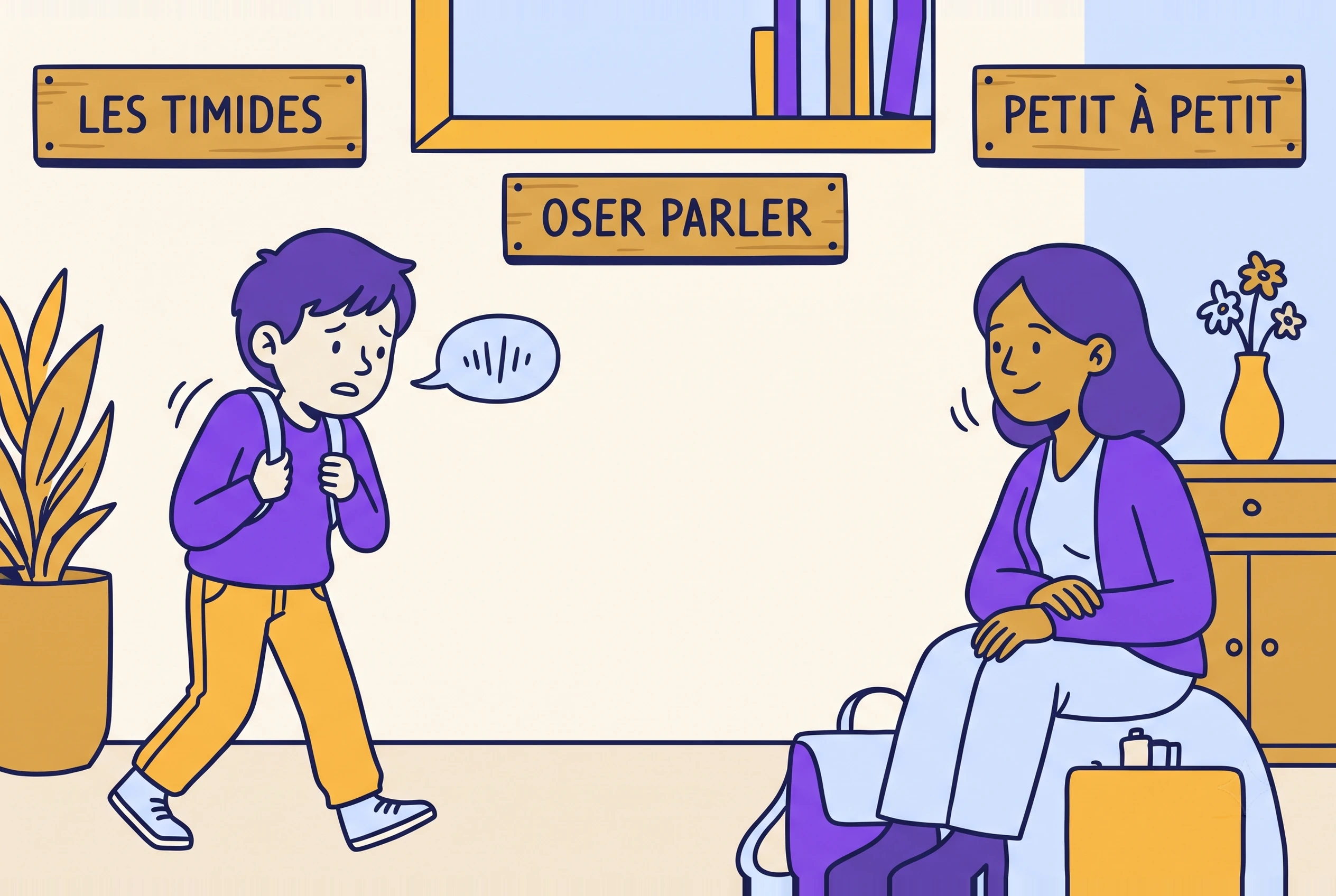
Speaking French as a Shy Beginner: Practical Steps

French speaking guide for shy beginners overcoming fear of speaking

Practise speaking French through small, manageable exchanges. Find starter phrases, rehearsal methods and a gradual plan for shy beginners. A short exchange is a useful practice task in its own right. Begin with a situation you can rehearse, prepare a way to ask for repetition and increase the challenge gradually as the routine becomes familiar.

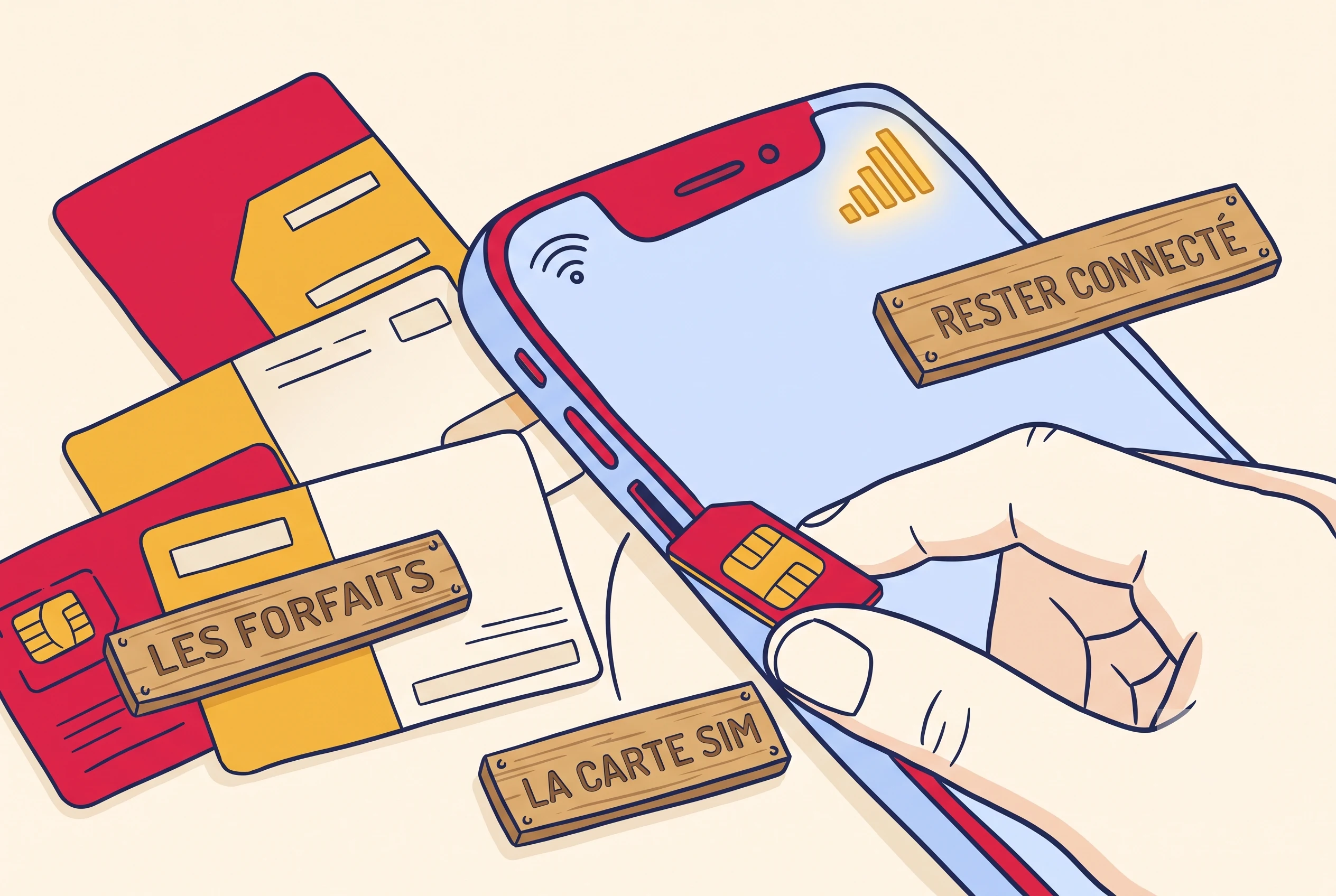
French SIM Cards and eSIMs: How to Choose and Buy

French SIM card guide for tourists and residents buying a mobile plan in France

Compare prepaid SIMs, eSIMs and French mobile plans. Check phone compatibility, activation and plan terms, with phrases for asking for help. The right option depends on your phone, length of stay and data needs. Check compatibility and the full plan terms before paying, then use the shop phrases to clarify activation, renewal and cancellation.

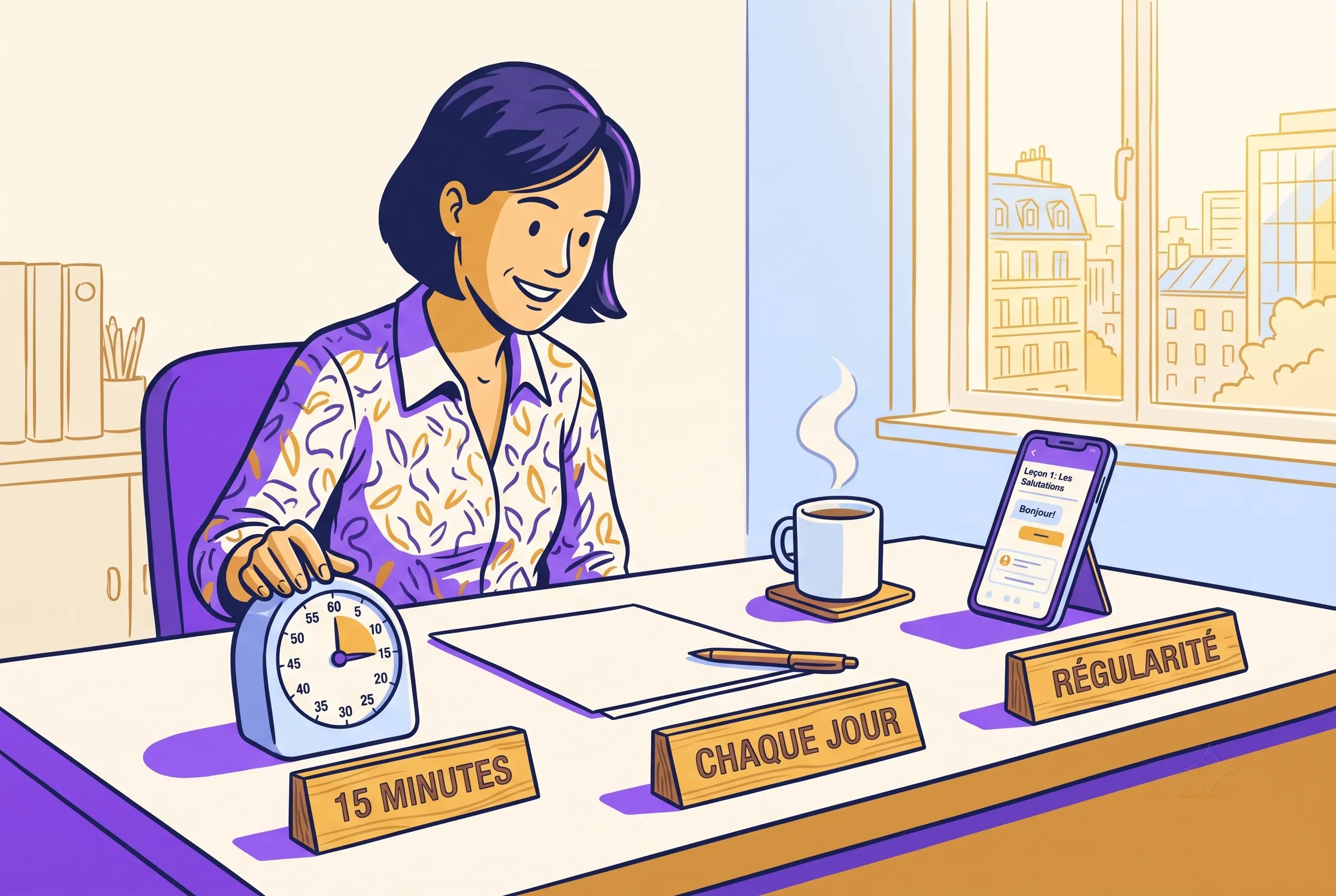
A 15-Minute French Routine for Busy Professionals

French for busy professionals with a practical 15-minute daily routine

Build a manageable 15-minute French routine with listening, recall and speaking. Adapt the tasks to your level and track regular practice. A short routine is useful when it is realistic enough to repeat. Divide the session into a few focused tasks and reuse familiar material. Adjust the difficulty and duration to fit your workday and learning needs.

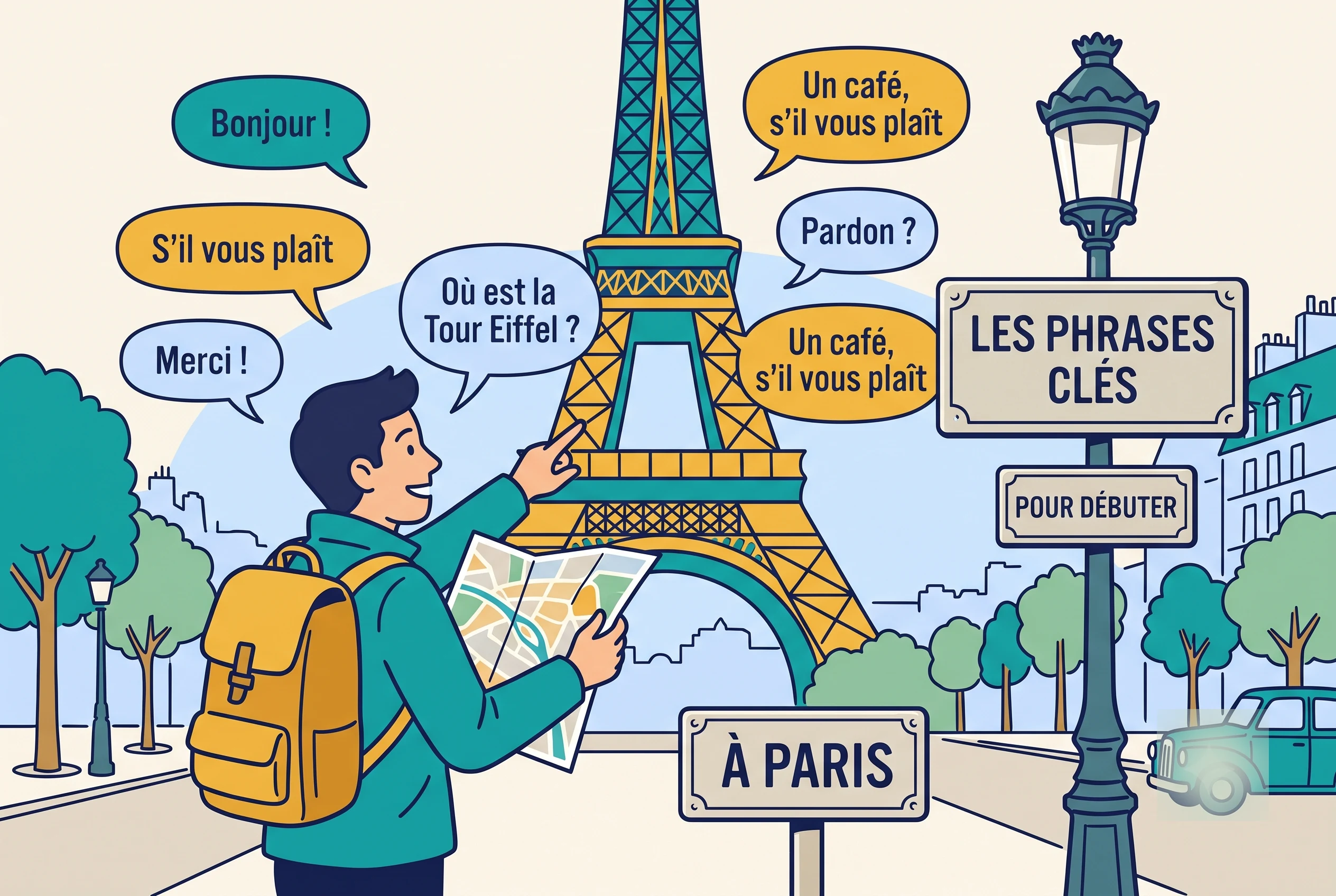
French Phrases for Paris: Métro, Cafés and Directions

Essential French phrases for visiting Paris as a tourist

Prepare French phrases for Paris cafés, shops, the métro and directions. Listen to examples and learn how to ask for help or clarification. These phrases cover common exchanges rather than a script that guarantees a particular reply. Choose the situations you need, listen to the wording and practise a clarification question before using them in Paris.

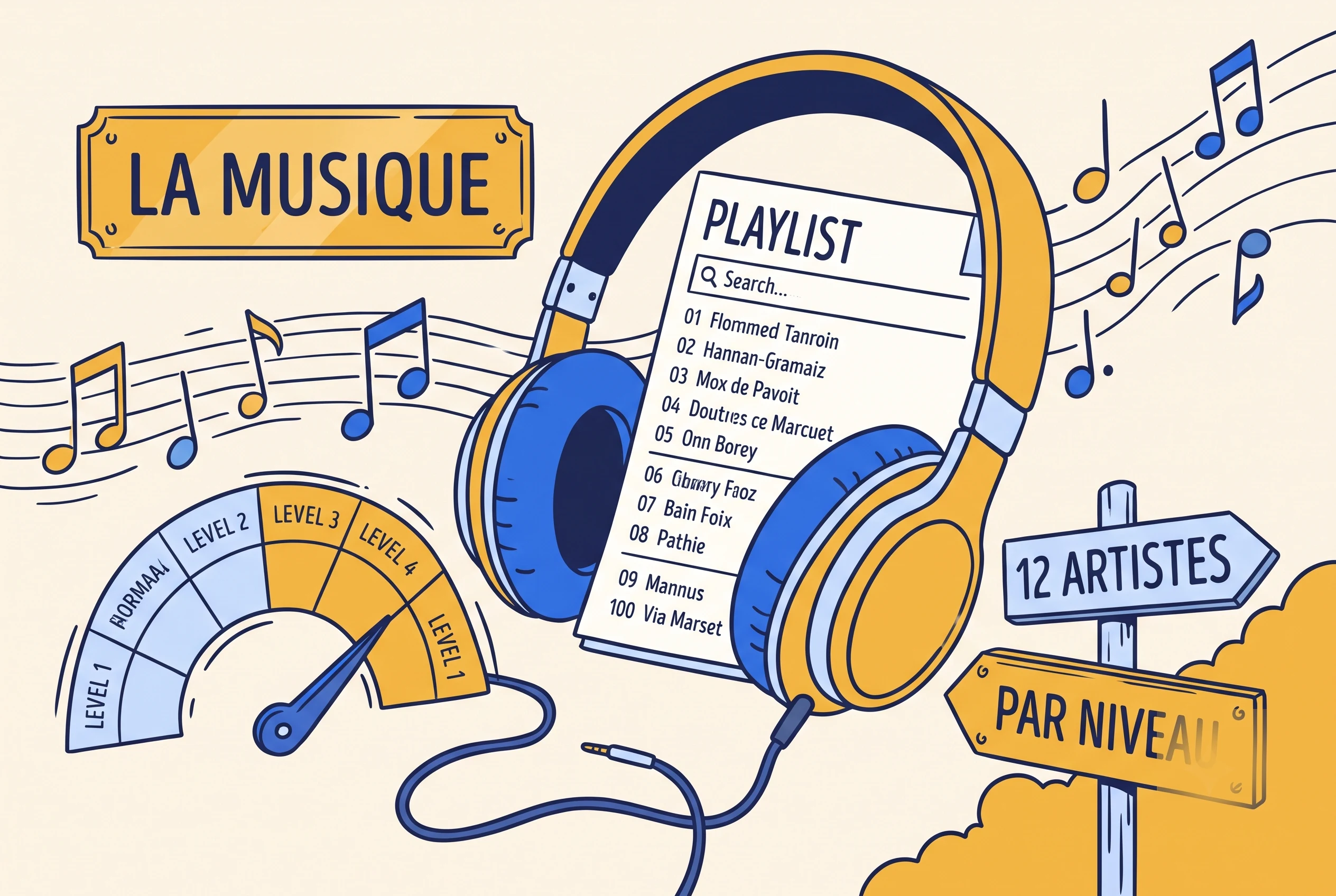
Learn French with Music: 12 Artists and a Study Method

Best French music artists for learning French by level

Explore 12 French-language artists by listening difficulty. Choose songs you enjoy and use lyrics, repetition and short listening tasks to practise. Enjoyment makes a song worth returning to, but lyrics can be harder than everyday speech. Use the artist overview to choose a starting point, then follow the method for studying a short passage without translating everything.

How to Think in French: Exercises for Everyday Practice

How to think in French and stop translating from English practical guide

Practise thinking in French with short narration, familiar word groups and focused listening. Build direct associations without banning translation. Thinking in French grows through familiar words and repeated situations. Start with short descriptions you can already form, then expand them. Translation can still help you check meaning when a direct association is not yet available.

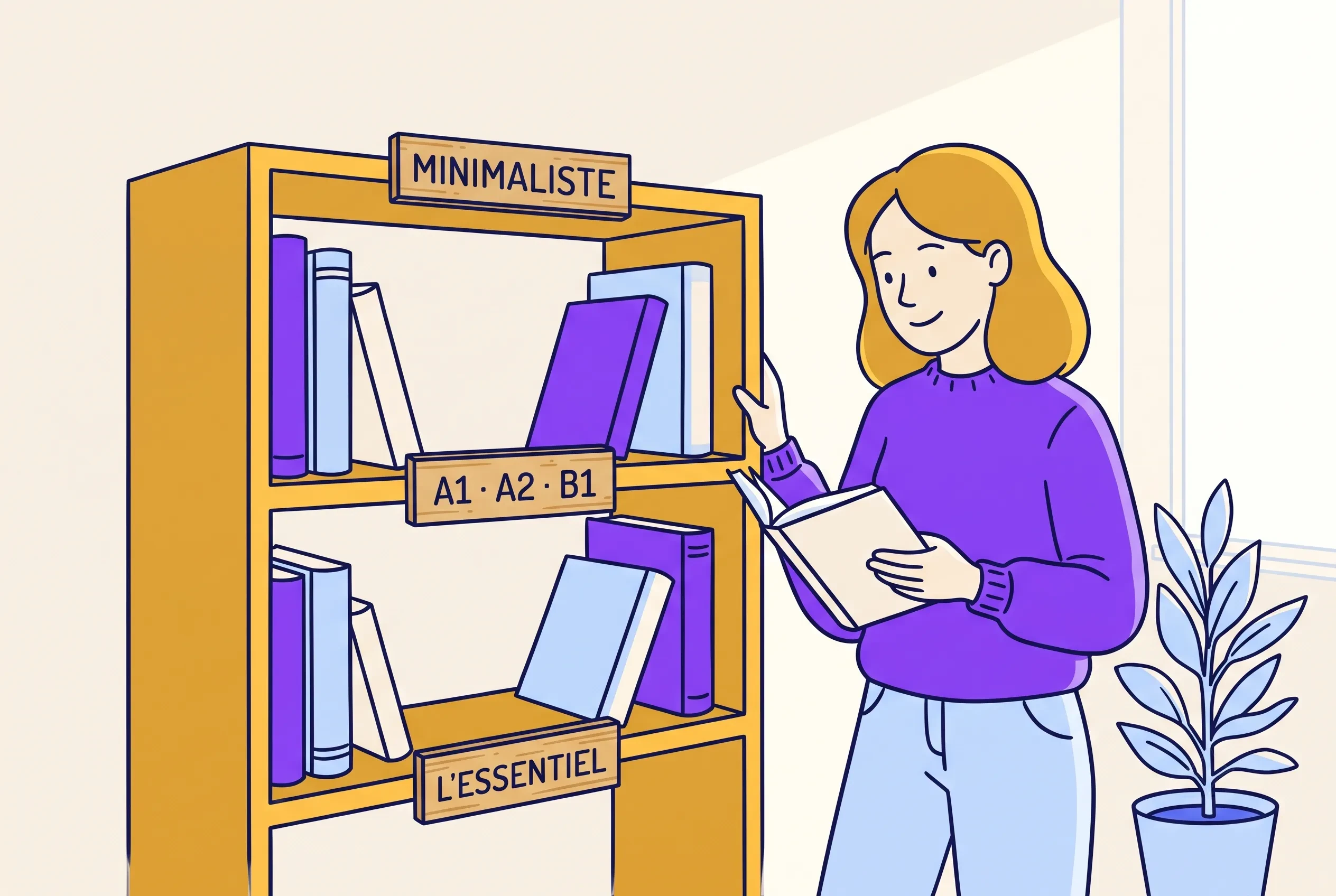
French Books for A1, A2 and B1: A Minimal Study Setup

How many French books do you need at A1 A2 B1 minimalist guide

Choose a small set of French study books for your level. Compare textbooks, readers and reference tools, and build a routine around what you use. You do not need a large collection to build a useful study routine. Choose resources for different jobs—structured lessons, reading and reference—and make sure each book has a place in your weekly practice.

Emily in Paris: French Language and Culture Reviewed

Emily in Paris French mistakes cultural inaccuracies and Paris stereotypes explained

Explore French language choices and cultural stereotypes in Emily in Paris. Separate the show’s fiction from useful learning opportunities. A television comedy is a viewpoint on a setting, not a representative account of life there. Read the examples as choices made by the show, then consider what they offer for language practice and cultural discussion.

Save to list