French Grammar Lab
Know what to
practise next.
Build more accurate French with a programme that finds your gaps, explains your mistakes and brings the right grammar back.
$19 / monthor $149 / year
USD. Paid membership. No free trial.
For adult learners, from foundations through B2 grammar.

Read the walkthrough
- Your personal space. Choose an avatar and colours.
- Your preferences. Set your goals, routine and starting point.
- Your programme. Find a next grammar point to practise.
- A mini-lesson. Read a short explanation and worked example.
- Your practice. Write an answer in context.
- The correction. Read the useful French sentence and why the pattern works.
- The listening. Hear grammar in recorded scenes, with transcripts available.
- Your progress. See points to practise, recall and refresh.
The account, answers and progress in the recording are illustrative.
From “I get the rule”
to using it in a sentence.
One place for your grammar profile, your next practice session and the points worth coming back to.
Start with your gaps.
Begin with foundations or take the saved grammar check. Your answers shape a personal starting programme.
A starting point that makes senseUnderstand the correction.
Write an answer, see what changed, compare examples and hear the grammar in a conversation.
Come back to the right points.
Spaced reviews bring grammar back into your routine. Follow what you can recall on your own, beyond seeing the answer.
Progress saved in your accountPreparing for the DELF?
Work on the grammar behind clearer sentences, from first foundations to B2 structures.
Keep exploring French for free.
The Briefing, Learning Center and Playground stay open to everyone. Read a story, hear the French and explore a point that interests you. No account needed for these free resources.
Try a Briefing · read → listen → understand
One story. Three ways into the French.
Start with a version that feels comfortable. Press play to hear it, then try the next version. This excerpt explores a French word you will hear every September: la rentrée.
A1–A2 · Start simply
Le mot sert à beaucoup de choses. Il y a la rentrée littéraire (beaucoup de livres), la rentrée politique (les partis reviennent), la rentrée sociale (les syndicats). Pour les Français, la vraie année commence en septembre, pas en janvier.
B1–B2 · Add detail
Le mot travaille encore plus que ça. Il y a la rentrée littéraire, quand des centaines de romans paraissent d’un coup, la rentrée politique, quand les partis tiennent leurs universités d’été, et même la rentrée sociale, quand les syndicats décident si l’automne sera calme ou bruyant. Ajoutez « de la rentrée » à presque tout : un Français comprend qu’il s’agit du vrai début de l’année. Pas janvier. Septembre.
C1–C2 · Explore the style
Le mot en fait bien davantage. Il existe une rentrée littéraire, où des centaines de romans paraissent simultanément, une rentrée politique, où les partis tiennent leurs universités d’été et choisissent leurs batailles de l’année, et jusqu’à une rentrée sociale, où les syndicats jaugent si l’automne sera paisible ou tapageur. Accolez « de la rentrée » à presque n’importe quoi : un francophone saisit aussitôt qu’il s’agit de la version de septembre, du vrai commencement de l’année. Non pas janvier. Septembre.
Understand the key phrase
La rentrée littéraire means the autumn literary season, when new books arrive. Here, rentrée is about a fresh start, not just going back to school. Listen again and notice the other uses of the word.
An excerpt from our archive. The latest stories appear below, in publication order.

Start with a story. Keep exploring.
Choose one of the latest Briefings below. Read the English context, open a French version and listen to the words. Then choose your next step: read, watch or study.
Mondial de l’Auto 2026: The Motor Show Paris Invented
The Mondial de l'Auto opens 13 October at the Porte de Versailles, in the city that…
Read the briefing →Mary Cassatt at Orsay: The American the Impressionists Let In
The Musée d'Orsay is hanging eighty works by Mary Cassatt, the Pittsburgh banker's daughter who became…
Read the briefing →September 29: The Day France’s Public Services Walk Out
On 29 September France's civil servants walk out, called by all eight public sector unions at…
Read the briefing →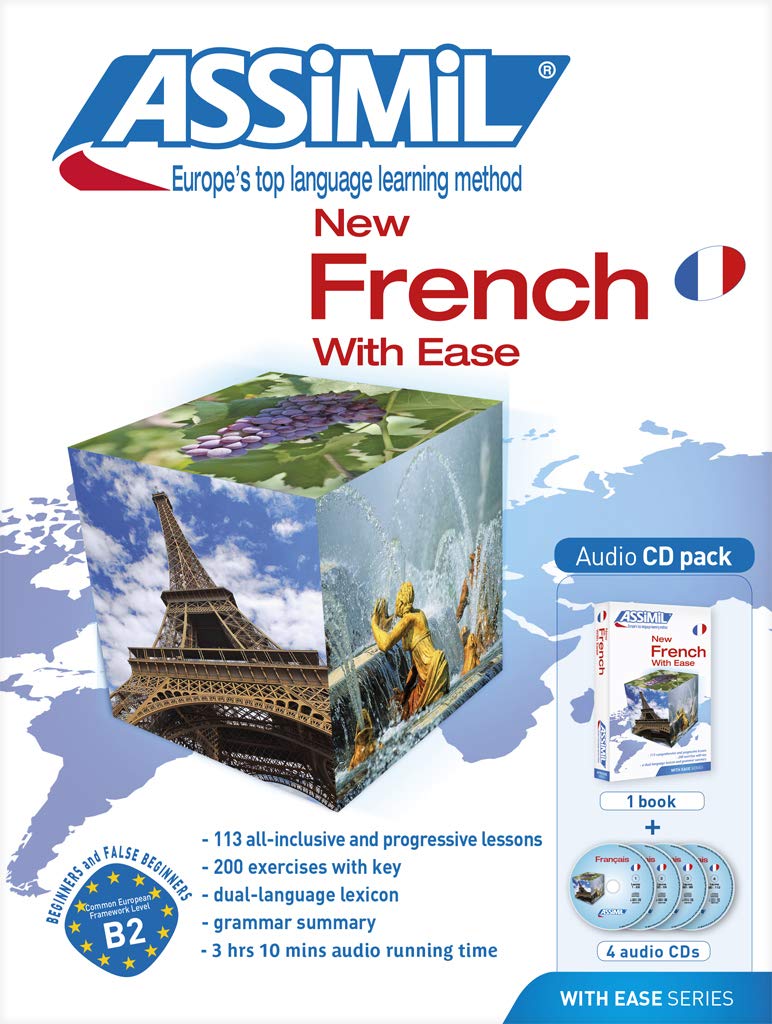 New French With Ease
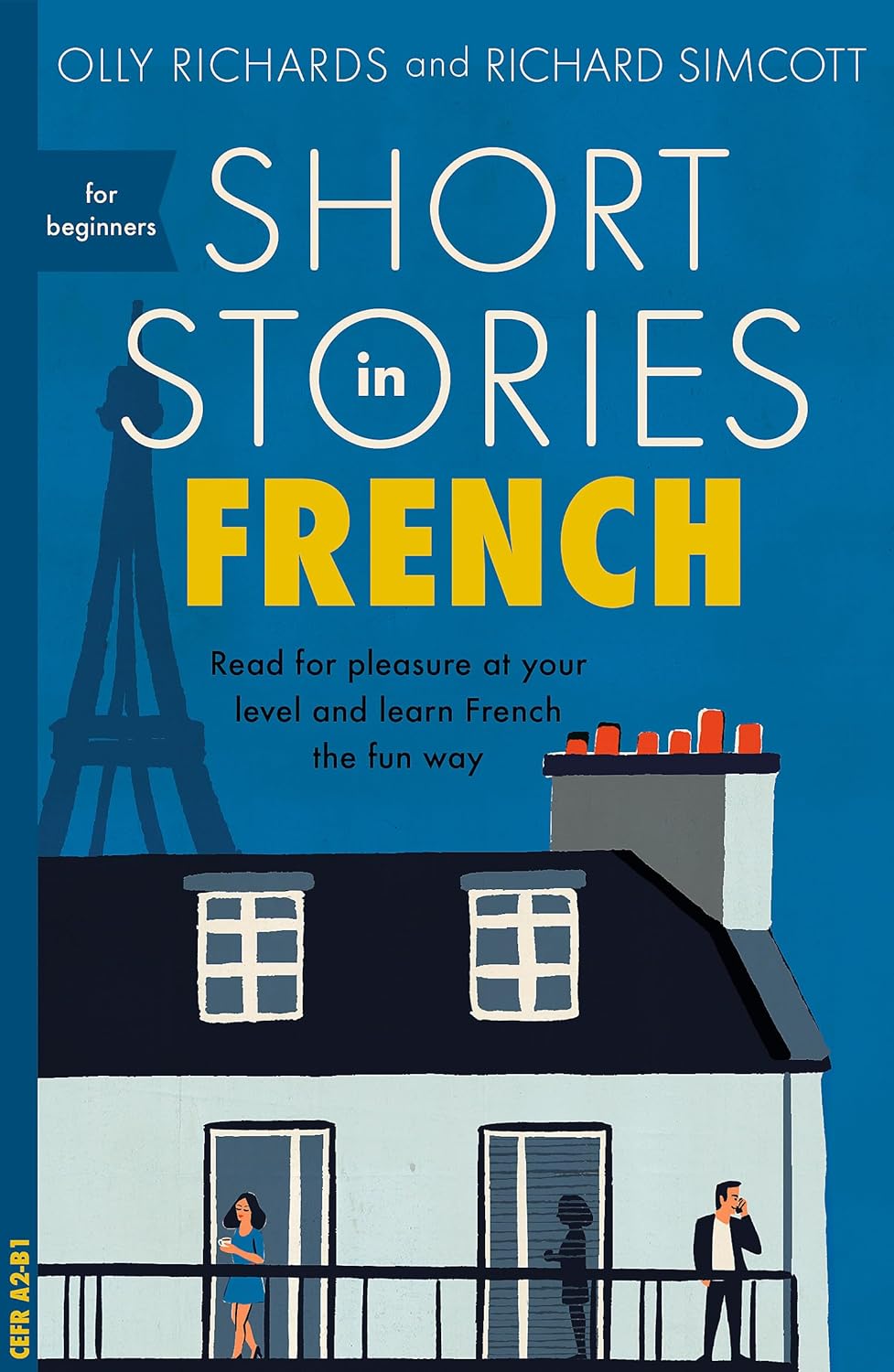 Short Stories in French
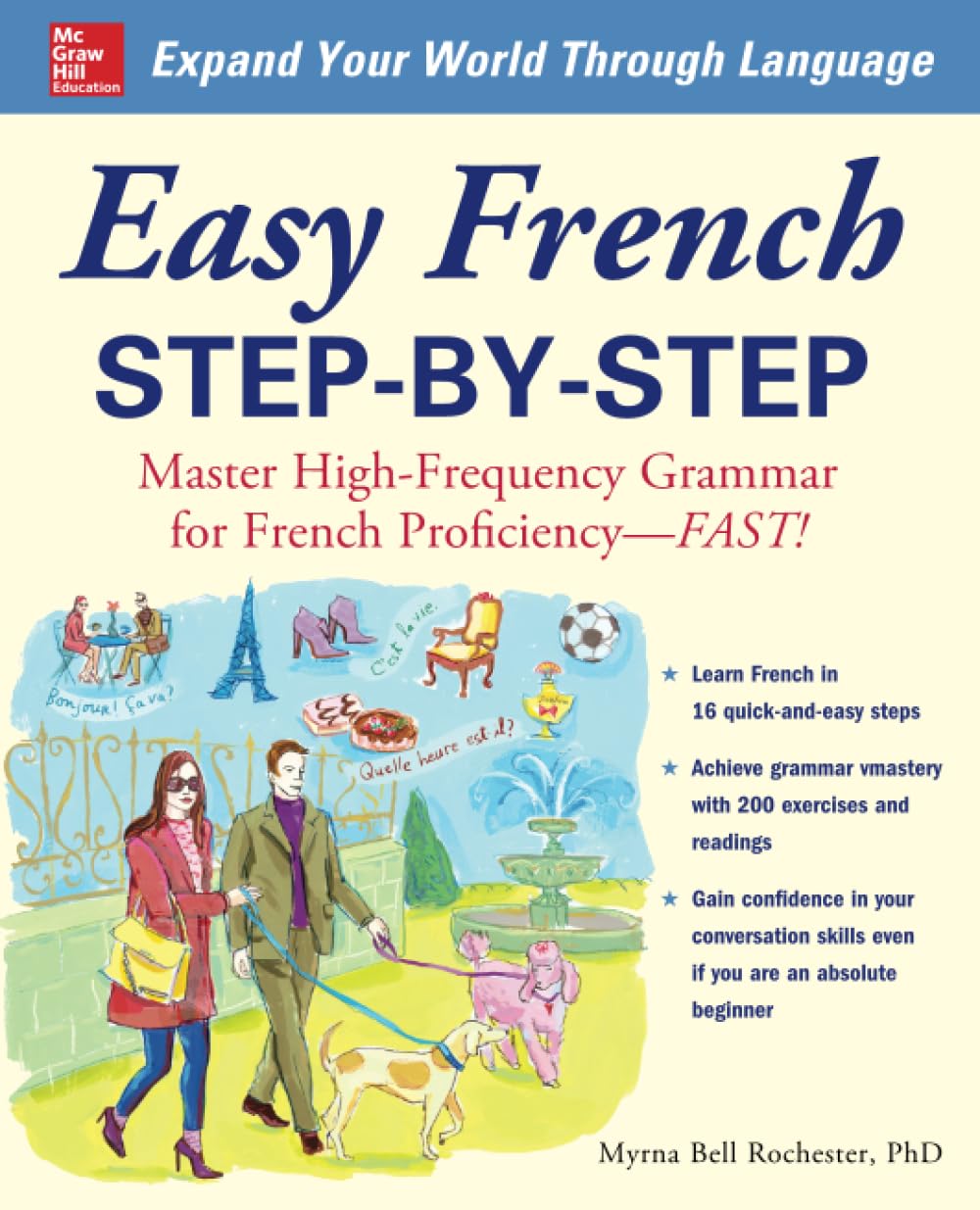 Easy French Step-by-Step
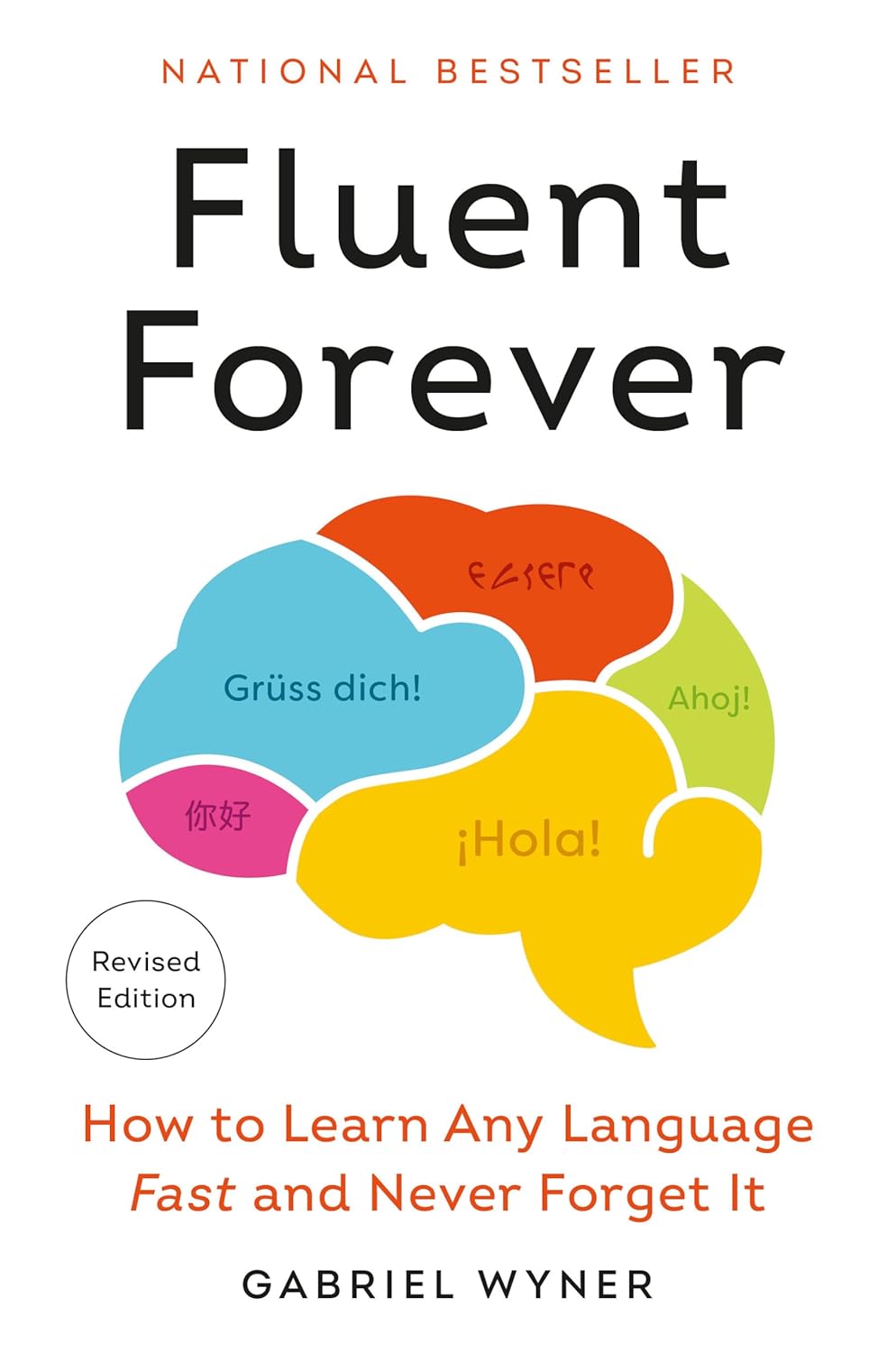 Fluent Forever
Our book
Fluent Forever
Our book 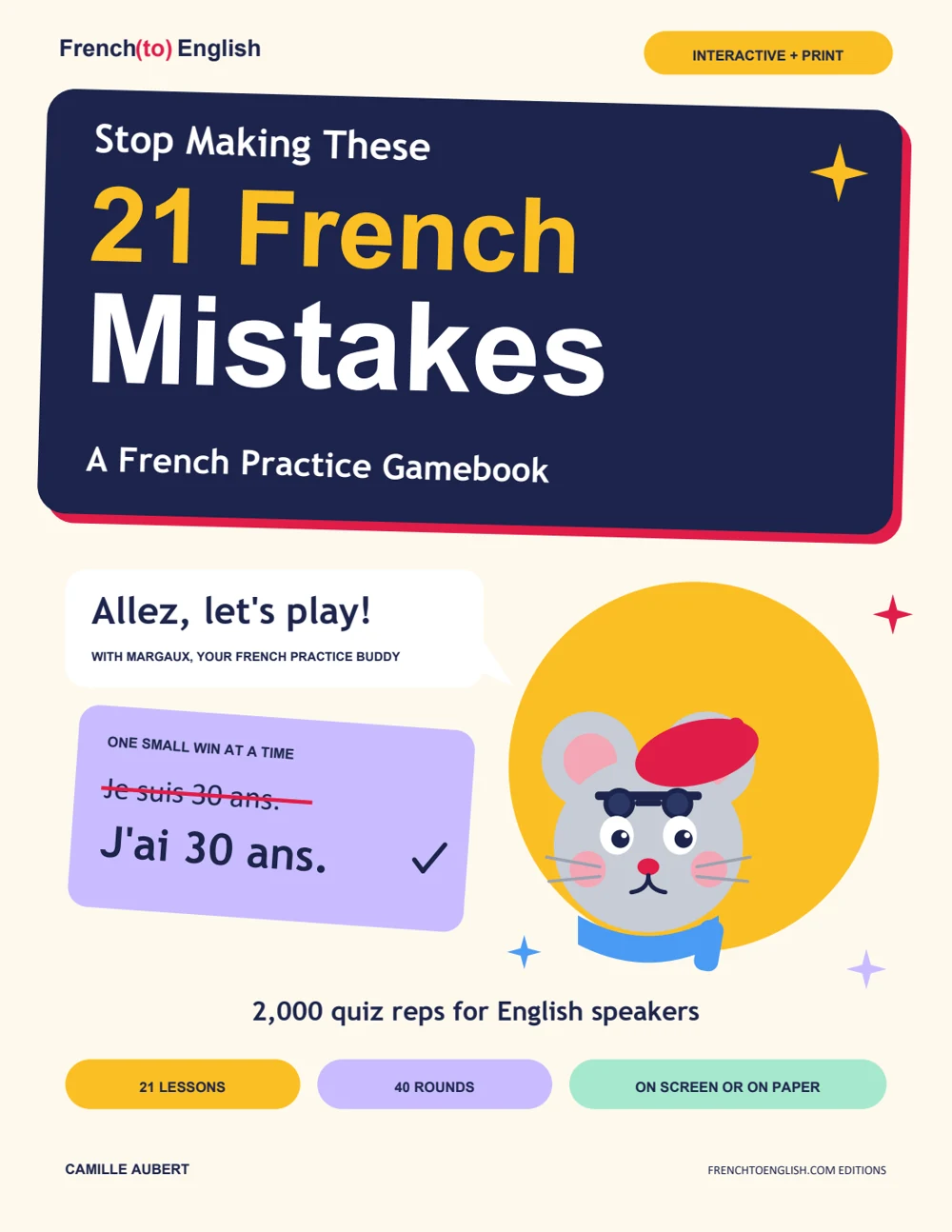 Stop Making These 21 French Mistakes
As an Amazon Associate, FrenchToEnglish earns from qualifying purchases.
Real French, in context, every day.
Read the news alongside your grammar practice. Every story adds English context, French at different levels and audio you can return to.
Read it
Choose a published story, open a French version from A1 to C2, and check the vocabulary.
Understand it
The political, cultural and social context a French reader already carries in their head.
Measure it
Use the level quiz for a starting estimate, then practise with the questions accompanying your reading.
Read and explore for free.
The Briefing
French news and culture, with English context, adapted French and audio.
Read the latest → 📚Learning Center
117 guides: grammar, culture, travel and expat life, explained.
Browse the guides → 📖The Library
The ten French books worth buying — and the three to start with.
See the book list → 🐭Level quiz
20 questions to estimate your starting level and choose what to practise. About 5 min.
Take the quiz →Choose your next step
What do you want to work on?
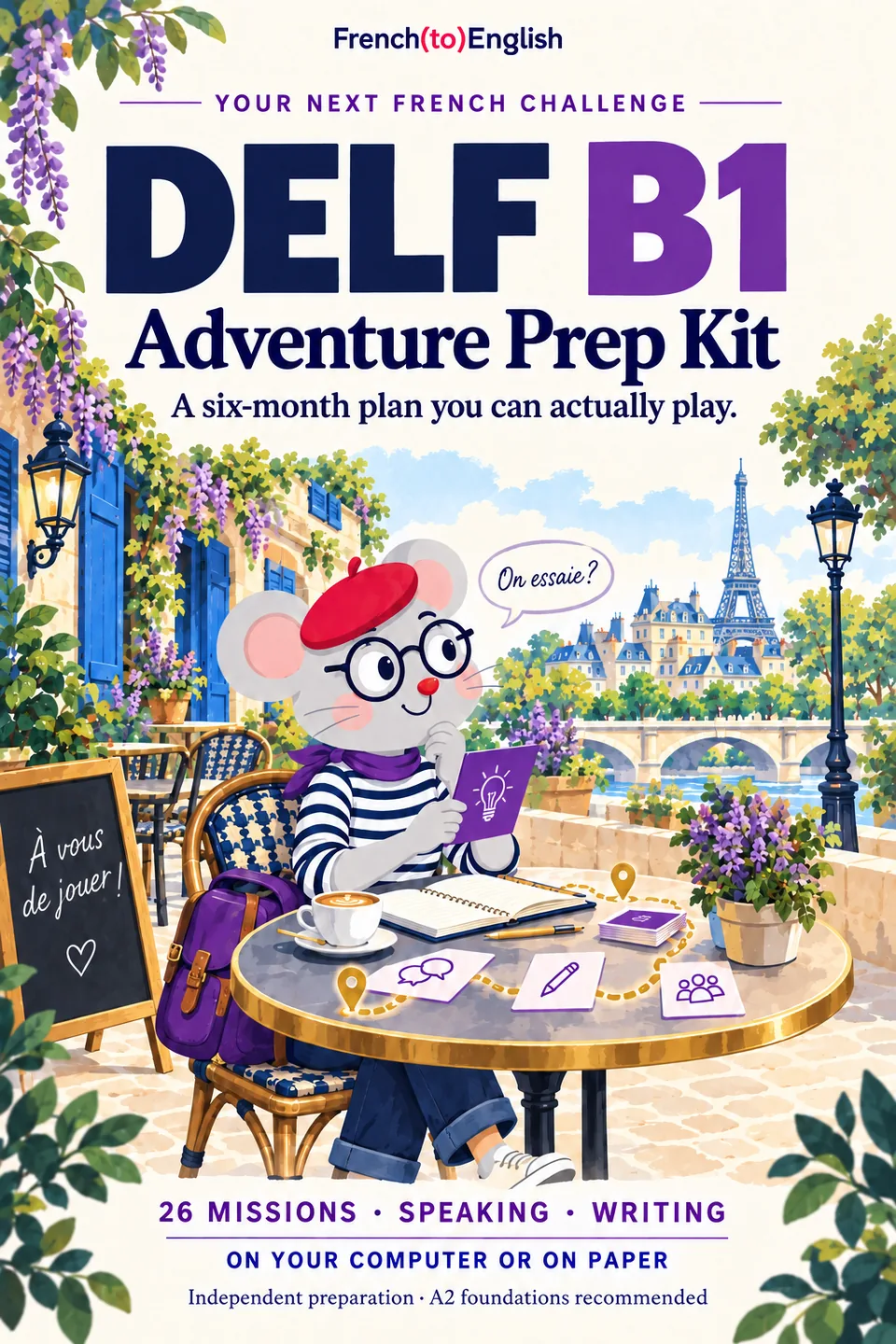
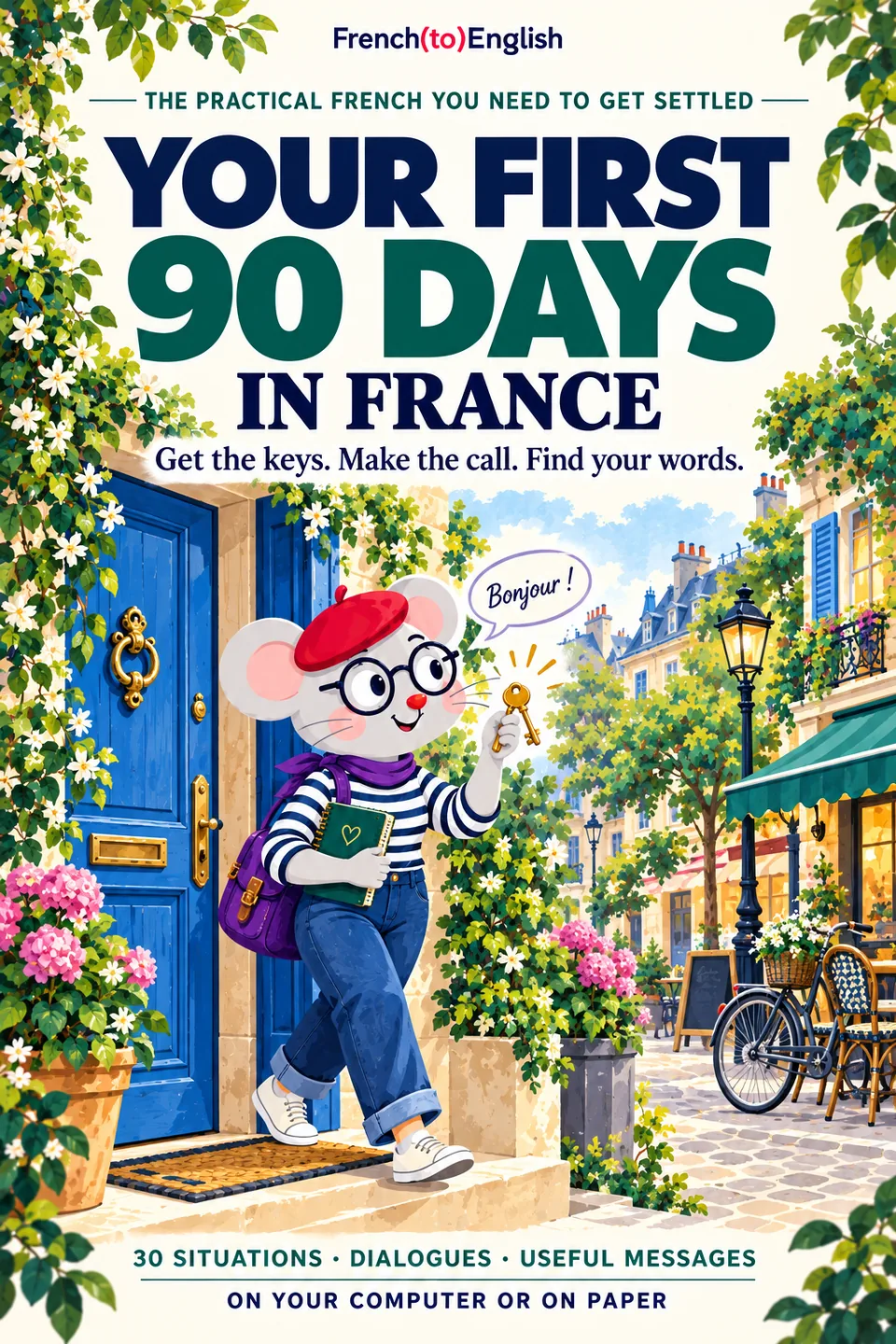
Practise French, prepare for B1 or plan your move. Choose the guide that fits your next step. Each is sold separately.

A real library of French, ready when you are.
We don’t sell a shortcut. We publish real French, in context, and give you the tools to measure where you actually stand.
Use the free articles. Then choose the next move.
Prefer practice you can keep on paper, or a quick free game? The Gamebook and Playground offer two more ways to work on your French.
en jouant. ☀️
Stop making the same 21 French mistakes. Play them away.
Forty rounds of fifty questions on recurring mistakes: noun gender, false friends and prepositions carried over from English. Click your answers on your computer or print a round and grab a pen. Check your score and give the tricky choices another try. Start with three real questions below.
Save your answers and scores in the PDF. Full refund within 30 days of purchase.
From the book · no email needed
Three small choices. How would you answer?
Choose an answer in your head, then open the correction. These are questions 2, 3 and 10 from Round 1, “Arrival in Nice”, page 52. The explanations below are added for this preview.
1. Translate: “a suitcase”
- un valise
- le valise
- une valise
- la valise
Show answer & explanation
Valise is feminine. Une means “a”; la means “the”. Learn the noun with its article.
2. Translate: “She is 29 years old.”
- Elle est 29 années.
- Elle est 29 ans.
- Elle a 29 ans.
- Elle a 29 année.
Show answer & explanation
French uses avoir for age: elle a + a number + ans. English uses “is”, which makes this an easy habit to carry over.
3. Server: Bonjour. Vous désirez ? You want one coffee politely.
- Donne-moi un café.
- Je voudrais un café, s’il vous plaît.
- Je veux un café maintenant.
- Je voudrais une café, s’il vous plaît.
Show answer & explanation
Je voudrais makes a polite request, and café is masculine: un café. The other choices are too direct here or use the wrong article.
2,000 questions. 40 rounds. Click your answers in the PDF or print a round and grab a pen.
Play on your computer or print a round. Full refund within 30 days.
Questions, answered straight.
What is free, and what is paid?
The Briefing, 117 Learning Center guides, Playground and level quiz remain free. French Grammar Lab is our paid personal grammar programme: USD $19/month or $149/year. No free trial. Our digital guides are separate, one-time purchases.
What does French Grammar Lab include?
Your grammar profile, a personal starting programme, mini-lessons, written exercises, explanations, prepared listening and spaced reviews, with progress saved in your account. It is for adult learners working on foundations through B2 grammar. Watch the app tour to see the programme before joining.
I don’t know my level. Where do I start?
Take the free 20-question level quiz — it gives you a starting-level estimate in about 5 minutes. Then pick up reading practice at your level or head into the Learning Center and read the one guide that targets what’s blocking you. If you join French Grammar Lab, its own saved grammar check helps shape your personal programme after membership.
How is this different from Duolingo or Babbel?
French Grammar Lab focuses on grammar: a saved starting profile, targeted written practice, clear corrections and spaced review. Our free articles add reading, listening and context. For a wider comparison of learning formats, read the 2026 guide to French courses and our Babbel vs Duolingo comparison.
Do you help with the DELF and TCF exams?
Yes — the Exams & Certification guides break down each level and section, and TCF vs DELF: which French exam helps you pick the right one before you pay to sit it. For DELF B1 practice, see the optional B1 Prep Kit.
How often do you publish?
Check publication dates in the Briefing for the latest stories, and browse Learning Center guides regularly. Drop your email below and you can receive publication alerts.
The whole thing, one map.
Start here
- French Grammar Lab — your personal grammar programme
- 🐭 Take the level quiz — free, 5 min
- 📰 Read the latest Briefing
- 📖 Reading practice by level
- The French Gamebook · play on PC or print
Popular guides
Browse the Learning Center
The best time to start was years ago. Start with one story.
Read the latest Briefing, check your level, and let the habit do the work. Subscribe below for publication alerts.
Read the latest Briefing →