Free French resources, all in one place.
A short, opinionated set of free study plans, printable cheatsheets and a level test. Curated by La Rédaction. No padded list, no fluff, just the sheets worth keeping. Pick one starting point and go.
Free, with no account
Every quiz and plan on this page is free with no sign-up. The cheat sheets come as one free PDF in exchange for your email.
One plan, one cheatsheet, one habit
You don’t need fifteen apps. You need one structured plan, one printable, and ten focused minutes a day.
Built for English-speaking adults
Every grammar point is explained in English. Every example is a phrase you’d actually use in France.
The Level Quiz
About five minutes and 20 questions to estimate your starting level. Use the result to choose a study plan, then adjust it to what you find easy or difficult. This is a practice quiz, not a CEFR certification.
Resources at a glance
Scan, jump to your level, click straight through.Get every cheat sheet in one PDF
Tu vs vous, the past tenses, pronunciation, numbers and dates, survival phrases, email templates and more. Nine resources bundled into a single 27-page PDF. Enter your email and it downloads right away.
| Resource | What it does | Level | Type | Get it |
|---|---|---|---|---|
| 🐭 Level Quiz | Estimate your starting level | A0 → C2 | Free · 5 min | Start → |
| 🎲 21 French Mistakes | Drilling the 21 mistakes English speakers repeat | All | Paperback $19 | Both editions → |
| 🗓️ A0 → A1 Plan | 4-week beginner roadmap | A0 → A1 | Free | Open → |
| 🗓️ A1 → A2 Plan | 8-week intermediate roadmap | A1 → A2 | Free | Open → |
| 📄 Present Tense Verbs | 15 essential verbs, conjugations + drills | A0 → A1 | Free PDF | Get it free → |
| 📄 Articles & Gender | Le, la, les, un, une, des explained | A0 → A1 | Free PDF | Get it free → |
| 📄 A1 Foundations | Quick-start map for absolute beginners | A0 → A1 | Free PDF | Get it free → |
| 🔢 Numbers, Dates & Time | The 70/80/90 math, dates and the 24-hour clock | A0 → A2 | Free PDF | Get it free → |
| 🧳 100 Survival Phrases | Ten situations, ten phrases each, all out loud | A0 → A1 | Free PDF | Get it free → |
| 🤝 Tu vs Vous | The decision map plus the switching phrases | A1 → B1 | Free PDF | Get it free → |
| 🎬 Passé composé vs imparfait | The photo-or-film method, triggers and drills | A2 → B1 | Free PDF | Get it free → |
| 🗣️ Pronunciation Sounds | Nasals, the French u and r, liaison, rhythm | A1 → B1 | Free PDF | Get it free → |
| ✉️ French Email Templates | Eight ready-to-adapt emails, préfecture to friends | B1 | Free PDF | Get it free → |
| 📚 Learning Center | 101 free guides on grammar, culture, expat life | All | Free hub | Browse → |
Most people learning French as adults don’t have a content problem. They have a focus problem. There are millions of YouTube tutorials, hundreds of apps, dozens of Reddit threads, and exactly zero clarity. Every week you start a new method, abandon it on day three, and feel guilty about it on day four. That’s the cycle. The best way to learn French for English speakers isn’t another download. It’s a clean shape for the next ninety days.
This page exists to do one thing: narrow your choices. There’s a quiz to estimate your starting level. There are two structured plans, a four-week beginner plan and an eight-week elementary plan, written for people who have twenty-five minutes a day and no Sunday-morning marathon energy. There are nine printable resources in one PDF pack because the act of printing something and pinning it to your fridge moves the needle more than another browser tab. And there’s the Learning Center for the days you want to read instead of drill.
Beneath the free side there is exactly one paid thing: the Summer French Gamebook, as a PDF or as a printed book. That is the whole catalogue. The free resources here are genuinely enough to take an English-speaking adult from zero to A2, and we would rather say so than pretend otherwise.
One last thing. A lot of beginners get stuck early because they fight the wrong battles. They memorise vocabulary lists no one uses. They argue with grammar rules instead of absorbing them. Learning how to think in French and stop translating is the real unlock, and it doesn’t happen by reading more rules. It happens by doing fewer things, every day, for longer than you’d like.
Top 3 free starters
If you only do three things on this page, do these.The Level Quiz
Best for: finding out where you actually stand.
Twenty questions, instant CEFR score, one plan picked for you. The fastest way to stop guessing whether you’re an A1 or an A2 and start studying the right thing.La Rédaction
Start the quiz →A four-week beginner plan
Best for: total beginners who want a clear shape.
Twenty-five minutes a day, five days a week. Greetings and numbers in week one, the three core verbs in week two, then asking questions and ordering food. Practise a short conversation in week four.La Rédaction
Open the plan →A1 Foundations cheatsheet
Best for: one printable to use every day.
Must-know phrases, grammar anchors, pronunciation cues, and a minimal daily routine. The single sheet of paper successful learners pin to their wall and look at every morning.La Rédaction
Get it free →🗓️ Study plans · A0 to A2
Each plan gives you specific weekly goals you can actually finish. Twenty-five minutes a day, five days a week. If a week feels heavy, reduce the daily time but keep the streak. Repetition beats intensity, every time.
-
A four-week beginner plan
For absolute beginners.
Start from zero with greetings, core verbs (être, avoir, aller), and the simple questions you’ll actually use. By week four, you’ll introduce yourself, order food, and ask for directions without freezing.
🐭 Take the Quiz firstWeek 1: greetings, numbers, basic introduction phrasesWeek 2: the three foundational verbs (être, avoir, aller)Week 3: asking questions, following directions, ordering foodWeek 4: review, plus your first real conversation practice -
A1 to A2, in eight weeks
For confirmed beginners ready to push.
Build real beginner fluency through practical themes: food, the city, family, hobbies, and past events. By week eight, you’ll hold short conversations, follow simple podcasts, and write basic emails.
🐭 Take the Quiz firstWeeks 1 – 2: past tense, daily routinesWeeks 3 – 4: food vocabulary, shopping, comparativesWeeks 5 – 6: travel essentials, directions, city lifeWeeks 7 – 8: review, conversation scenarios, mini exam
📄 Cheatsheets · printable PDFs
Pick one. Just one. Print it or save it to your phone home screen. Say the examples out loud every day for a full week. Then move to the next one. The act of looking at the same sheet daily beats any new app you’d download in its place.
-
Present Tense, essential verbs
Conjugation tables for the 15 most frequent verbs, plus short drills you can say while making your morning coffee. Covers être, avoir, aller, faire, and the verbs you’ll use most.
Get it free → -
Articles, gender & agreement
Simple rules with clean visuals and quick self-checks. When to use le, la, les, un, une, des, and why French adjectives change their endings.
Get it free → -
A1 Foundations, the quick-start map
Must-know phrases, core grammar anchors, pronunciation cues, and a minimal daily routine. One sheet to pin on the wall and read every morning.
Get it free → -
Numbers, dates & time
Zéro to quatre-vingt-dix-neuf without tears: the 70/80/90 logic explained, dates, prices, phone numbers read in pairs, and the 24-hour clock France actually runs on.
Get it free → -
100 survival phrases
Ten situations, ten phrases each: café, directions, shopping, trains, pharmacy, small talk. Learn one section a day out loud and survive France politely in ten days.
Get it free → -
Tu or vous? The decision map
The 10-second verdict for fifteen real situations, the phrases to switch registers gracefully, and the traps that out you as a foreigner. When in doubt: vous.
Get it free → -
Passé composé vs imparfait
The photo-or-film method: trigger words that decide 90% of cases, twelve example pairs to read out loud, the être club, and a self-test with answers.
Get it free → -
Pronunciation: the missing sounds
The French u, the nasals, the soft r, silent letters (the CaReFuL rule), the five liaison rules, and the flat rhythm that instantly makes you sound more French.
Get it free → -
French email templates
Eight ready-to-adapt emails: asking for information, chasing the préfecture, booking, cancelling, landlord problems, job applications. Plus the sign-off ladder.
Get it free →
🎲 Games · all levels
Learning by playing works: reps without the textbook feel. One entry on this shelf for now — and full disclosure, we wrote it.
-
🎲 Stop Making These 21 French Mistakes
Best for: drilling out old mistakes by playing.
Our own gamebook by Camille Aubert. 2,000 questions across 40 rounds, on the 21 mistakes anglophones repeat. Paperback, or instant PDF.
View on Amazon → or the instant PDF
How to actually use this page
One quiz, one plan, one cheatsheet. Don’t open three tabs. The Level Quiz tells you which plan to follow, the plan tells you which cheatsheet to use, the cheatsheet tells you what to say out loud today. Anything more is procrastination dressed up as preparation.
Daily beats binge. Try a short, regular session that fits your week. Revisit yesterday’s examples, practise one new point and say a few sentences aloud. Adjust the duration so the routine is sustainable.
Print the PDF. Pin it on the fridge, the bathroom mirror, or beside your laptop. Every glance is a free three-second review. You don’t need to formally study a cheatsheet. You need to walk past it twenty times a day for two weeks.
Don’t switch plans mid-stream. The most common failure pattern we see is starting the A0 to A1 plan, hitting week two, deciding it’s “not enough”, and jumping to a new app. Finish the four weeks. Then decide. A realistic French timeline is measured in months, not weeks.
One short article a day. If you have ten extra minutes, open the Learning Center and read one piece. Don’t take notes. Don’t translate. Just read. French pronunciation and listening habits, false friends to avoid, untranslatable French words: pick one, read once, move on.
Frequently asked questions
What should I do first to learn French?
I am just traveling to Paris. Where do I start?
How many resources do I really need?
Can I print the PDF cheatsheets?
How long does it take to reach A1 or A2?
Which exam should I prepare for, TCF or DELF?
Still on the fence? Take the Level Quiz.
Have five minutes? Try the quiz for a starting-level estimate. Then choose one plan and one reference sheet that match what you want to practise. Return to the result after some study to decide what needs more work.
🐭 Start the Level Quiz → Updated September 2026 by La Rédaction. Free, no account needed.
Keep your French moving.
The books we actually recommend, plus every other way to get your daily dose of real French.
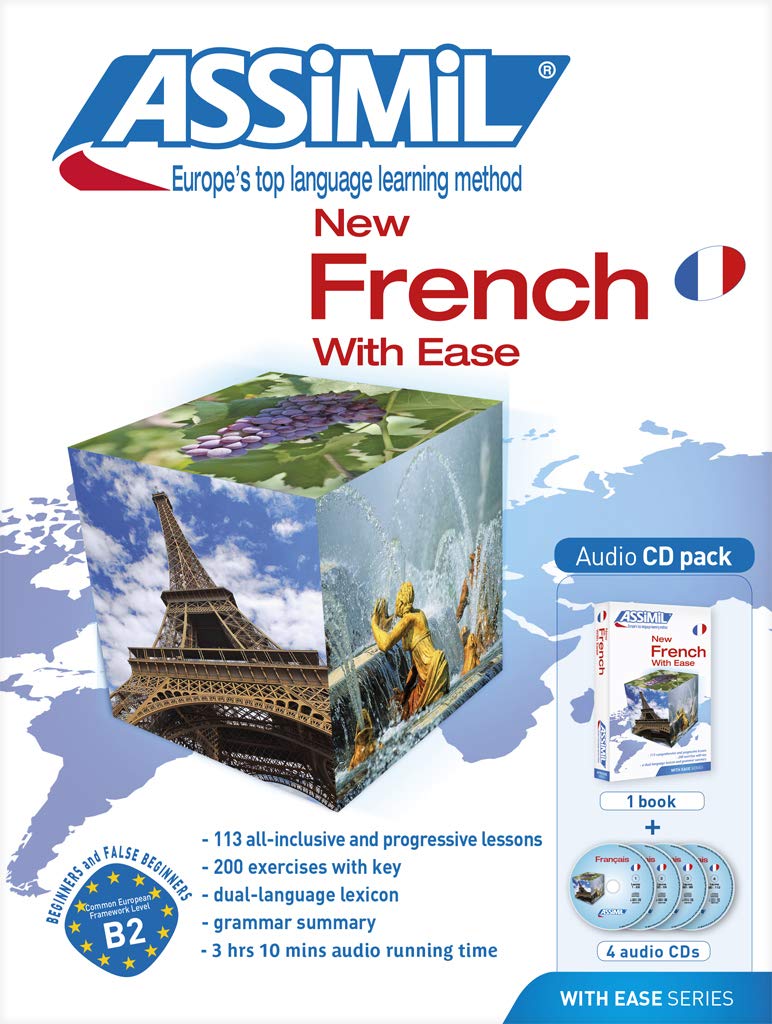 New French With Ease
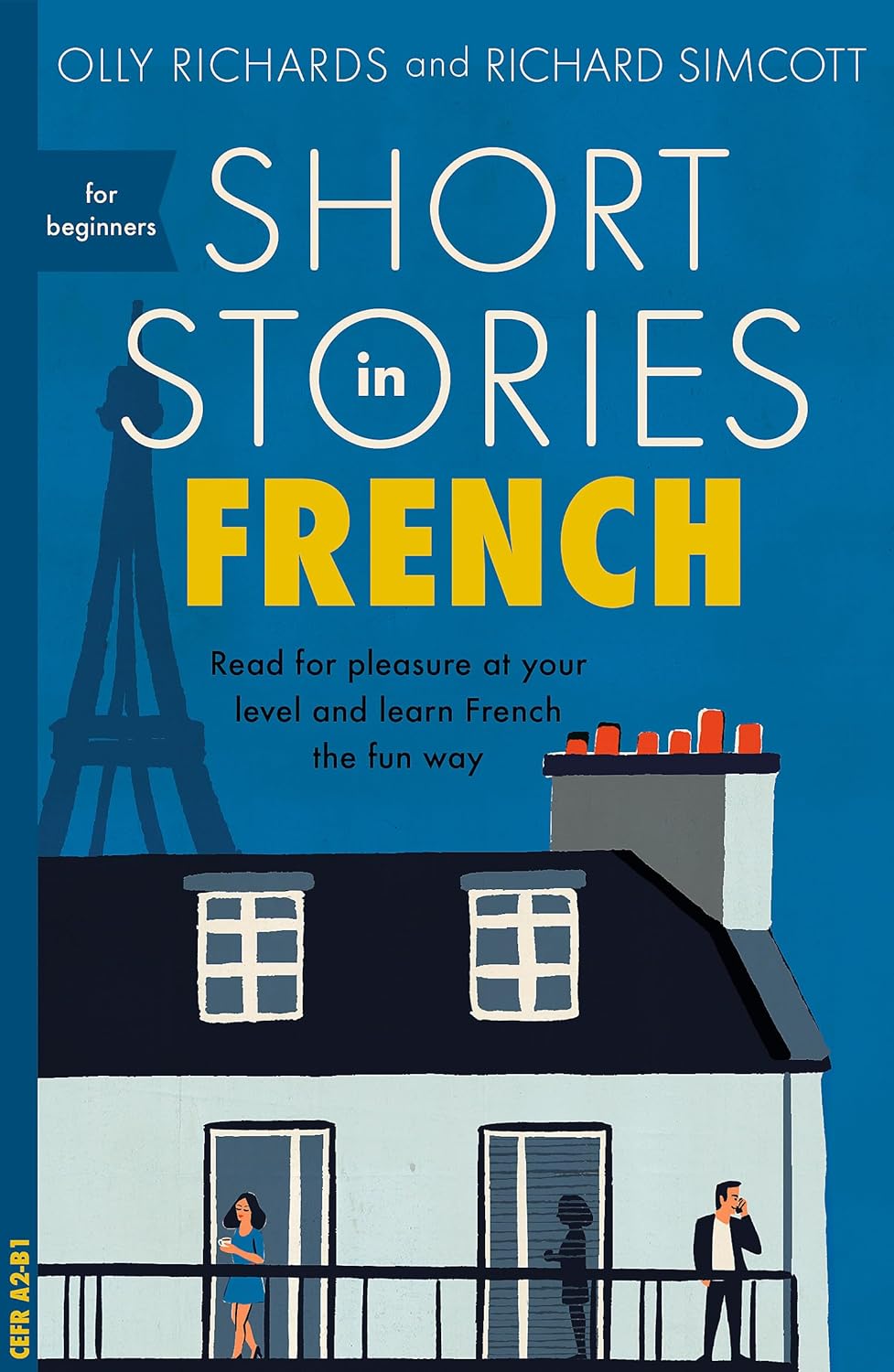 Short Stories in French
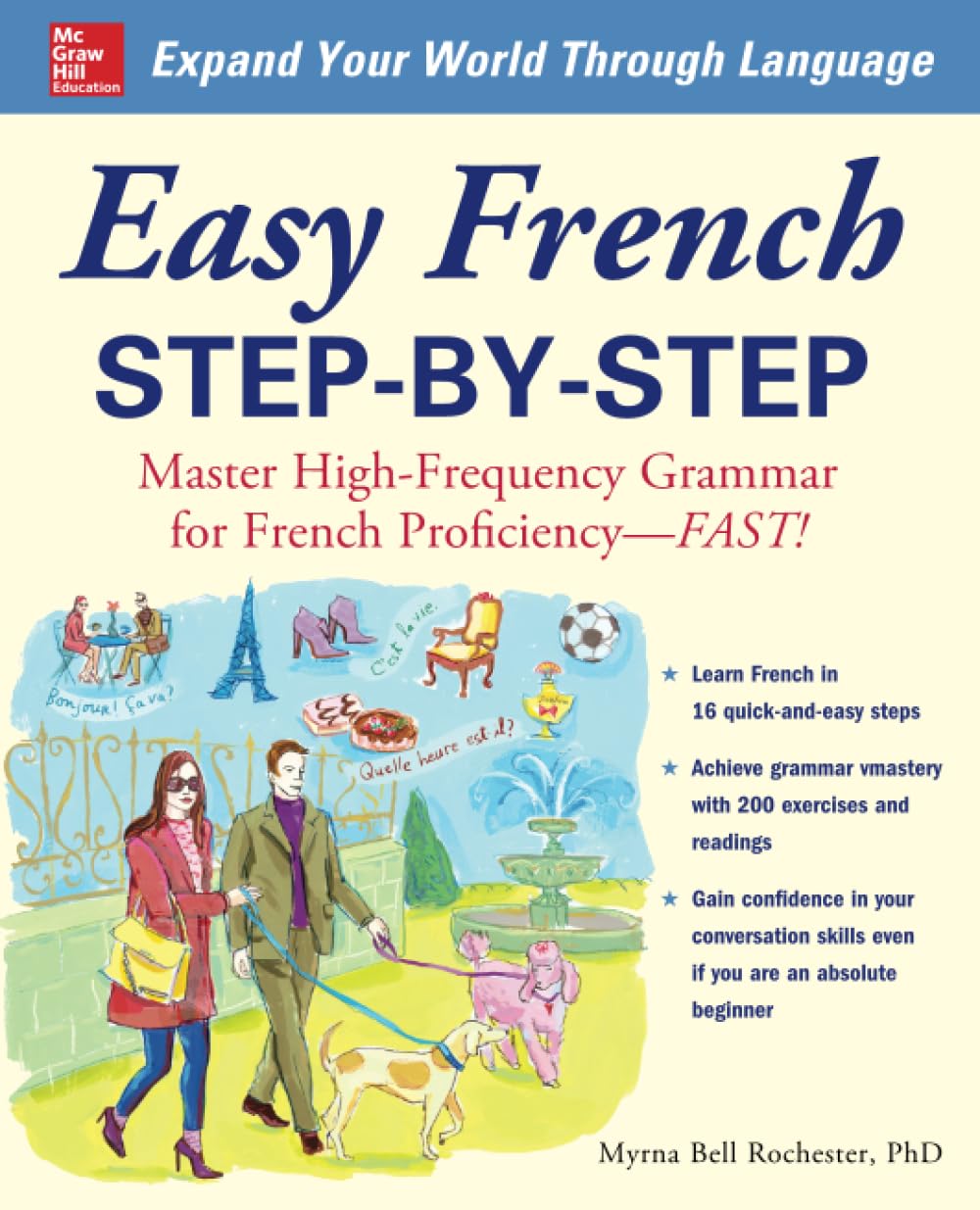 Easy French Step-by-Step
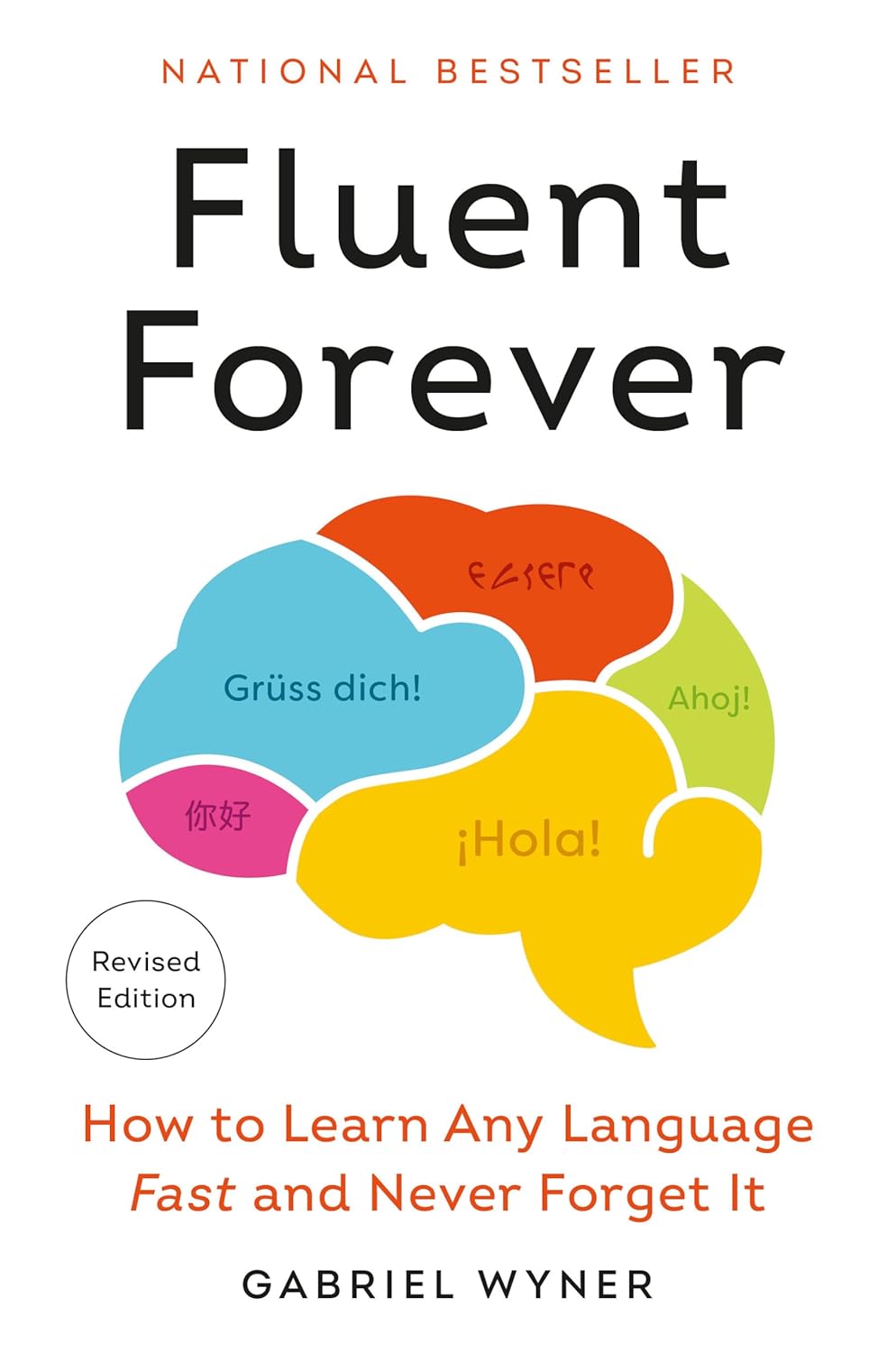 Fluent Forever
Our book
Fluent Forever
Our book 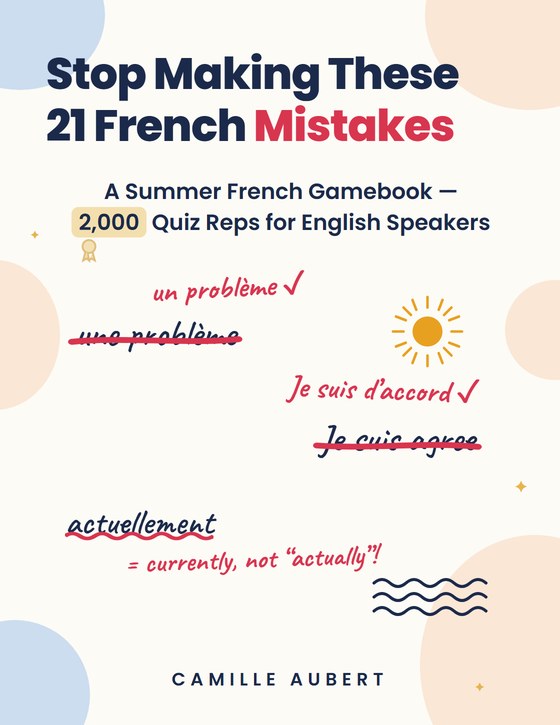 Stop Making These 21 French Mistakes
As an Amazon Associate, FrenchToEnglish earns from qualifying purchases.