French Business Expressions English Speakers Always Get Wrong
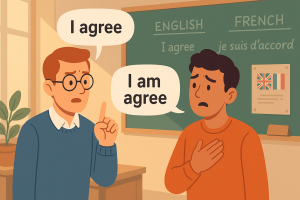
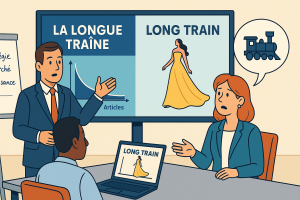
You’ve been working in a French company, negotiating with French clients, or writing professional emails in French, but you keep sensing something’s off when colleagues smile awkwardly at your phrasing, your emails receive overly formal responses despite your casual tone, or French business partners seem confused by expressions that work perfectly in English business contexts, leaving you embarrassed and uncertain whether you’re committing professional faux pas that damage your credibility without even knowing it. French business culture differs fundamentally from Anglo-Saxon workplace norms in formality expectations, communication directness, hierarchical respect, and dozens of specific expressions that seem translateable but carry completely different professional meanings, creating a minefield of false friends, literal translation failures, and cultural misunderstandings that can undermine your professional relationships, derail negotiations, or simply make you sound unprofessional to French colleagues who won’t directly correct you out of politeness.
Why business French is a minefield for English speakers
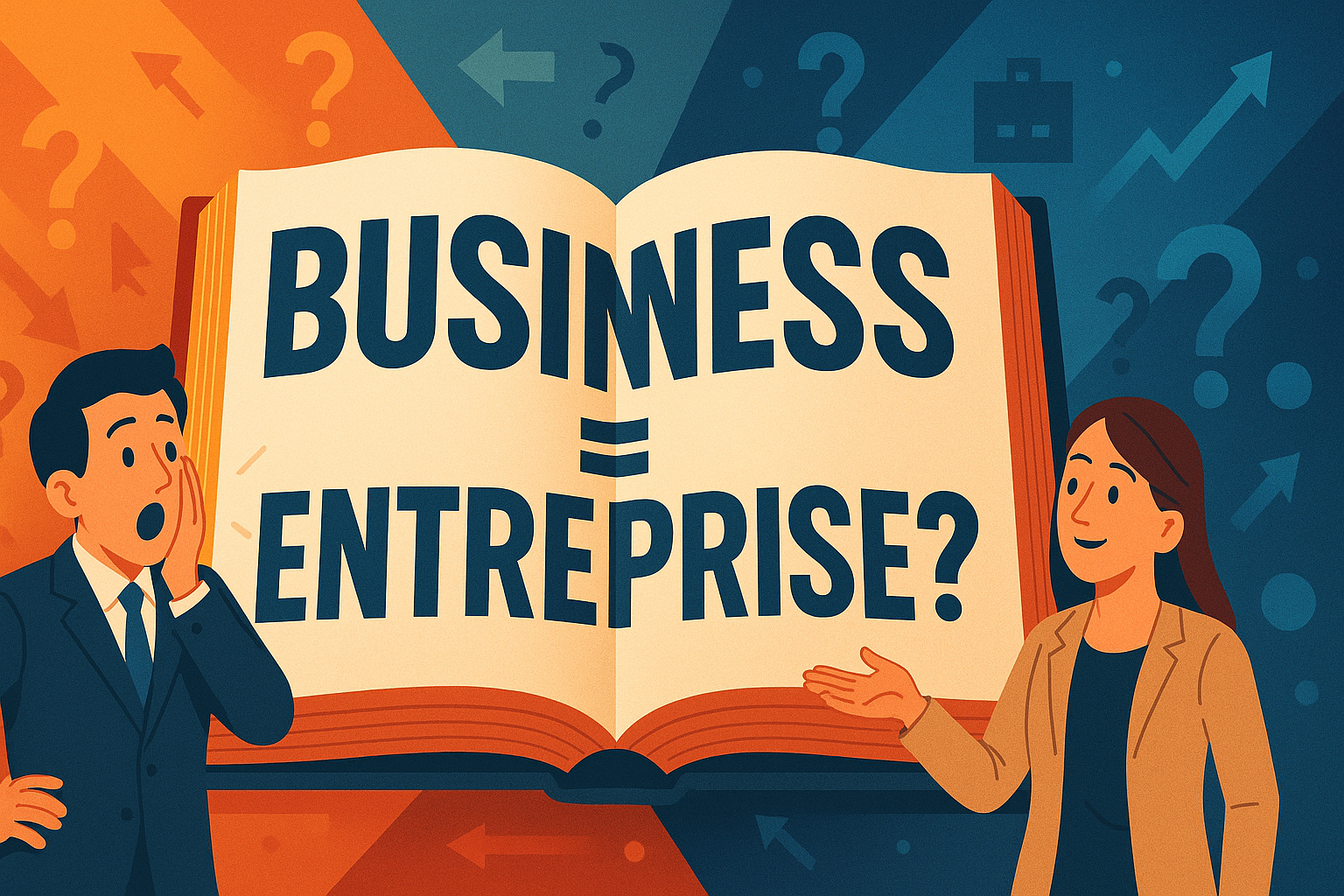
Business French isn’t just regular French used in offices. It’s a distinct register with specific vocabulary, formality requirements, and cultural expectations that differ dramatically from American or British business English.
American business culture values directness, informality, and efficiency. French business culture values formality, hierarchy, and nuanced communication. What works in an American office email sounds either too casual or confusingly indirect in French.
Roger discovered this the hard way during his first months working in France in 2012. Despite fluent French, his business communications felt wrong until he systematically learned the specific expressions, formality levels, and cultural expectations French professionals use. These lessons now form a core part of his business French instruction for English-speaking professionals.
Dangerous false friends in business contexts
The “actuellement” disaster
This is the most infamous false friend in business French, and English speakers make this mistake constantly.
🇺🇸 EN — Currently, I think your proposal is good (what you’re saying)
What English speakers mean to say: “Actually, I think your proposal is good”
Correct French:
🇺🇸 EN — Actually, I think your proposal is good
🇺🇸 EN — Currently, we’re working on three projects
Memory trick Roger teaches: “Actuellement = ACTUALly happening right now (currently). En fait = in FACT (actually).”
More dangerous business false friends
“Assister” doesn’t mean “to assist”
🇺🇸 EN — I will attend my colleague with this project (what you’re saying)
🇺🇸 EN — I will assist my colleague with this project
🇺🇸 EN — I will attend the meeting
“Demander” doesn’t mean “to demand”
🇺🇸 EN — I’m asking for a raise (NOT demanding)
🇺🇸 EN — I demand an immediate response
“Éventuel” doesn’t mean “eventual”
🇺🇸 EN — Possible problems (NOT eventual problems)
🇺🇸 EN — Problems that will eventually happen
“Sympathique” doesn’t mean “sympathetic”
🇺🇸 EN — My boss is very nice/friendly (NOT sympathetic)
🇺🇸 EN — My boss is very sympathetic/understanding
⚠️ The “attend” trap in emails:
English speakers constantly write “J’attends la réunion” thinking it means “I will attend the meeting.” It actually means “I’m waiting for the meeting” or “I’m waiting (impatiently) for the meeting.” French colleagues will wonder why you’re waiting rather than confirming attendance!
Correct: “J’assisterai à la réunion” or “Je serai présent à la réunion”
Email expressions that don’t translate
Opening and closing formulas
French business emails follow strict formality conventions that English speakers consistently violate.
Wrong openings English speakers use:
🇺🇸 EN — Dear Mr. Dupont
🇺🇸 EN — Hi Marc
Correct professional openings:
🇺🇸 EN — Hello Mr. Dupont
🇺🇸 EN — Hello Marc
🇺🇸 EN — Dear Sir or Madam
Wrong closings English speakers use:
🇺🇸 EN — Sincerely
🇺🇸 EN — Best wishes
Correct professional closings:
🇺🇸 EN — Best regards / Kind regards
🇺🇸 EN — Warm regards
🇺🇸 EN — Respectfully
Common email phrases English speakers mistranslate
“Please find attached” – multiple wrong versions:
🇺🇸 EN — Please find attached (literal attempt)
🇺🇸 EN — Please find attached
🇺🇸 EN — I’m sending you attached
“I hope this email finds you well” – sounds bizarre in French:
🇺🇸 EN — I hope this email finds you well (literal)
🇺🇸 EN — I hope you’re doing well
🇺🇸 EN — (Not necessary in French business emails)
“Following up on” – tricky translation:
🇺🇸 EN — Following up on our last meeting (literal attempt)
🇺🇸 EN — Following our last meeting
🇺🇸 EN — Following up on our discussion
“Let me know” – needs careful phrasing:
🇺🇸 EN — Let me know (literal)
🇺🇸 EN — Keep me informed / Let me know
🇺🇸 EN — Please keep me informed
🇺🇸 EN — Don’t hesitate to contact me / Let me know
💡 Roger’s business email formula:
In Roger’s business French lessons, he teaches a simple email structure that works for 90% of professional situations:
- Opening: Bonjour [Name] / Madame, Monsieur
- Context (one line): Suite à notre échange / Dans le cadre de…
- Main point (direct): Je vous écris pour… / Je souhaiterais…
- Details (brief): [Specific information]
- Action request (polite): Pourriez-vous… / Merci de…
- Closing: Cordialement, [Your name]
This structure respects French formality while maintaining professional efficiency.
Meeting and phone expressions that fail
Meeting vocabulary mistakes
“Let’s schedule a meeting” – multiple wrong attempts:
🇺🇸 EN — Let’s schedule a meeting (literal)
🇺🇸 EN — Let’s schedule/arrange a meeting
🇺🇸 EN — Can we schedule a meeting?
“I’ll circle back” – doesn’t work in French:
🇺🇸 EN — I’ll circle back (literal attempt)
🇺🇸 EN — I’ll get back to you / I’ll circle back
🇺🇸 EN — I’ll contact you again soon
“Can we touch base?” – bizarre literal translation:
🇺🇸 EN — Can we touch base? (literal)
🇺🇸 EN — Can we touch base? / Can we sync up?
🇺🇸 EN — Can we discuss this quickly?
“I have a hard stop at 3pm” – no equivalent:
🇺🇸 EN — I have a hard stop at 3pm (literal)
🇺🇸 EN — I absolutely must leave at 3pm
🇺🇸 EN — I have another commitment at 3pm
Phone call expressions
Answering professionally:
🇺🇸 EN — Hello, this is [name] speaking (literal)
🇺🇸 EN — Hello, [name] speaking
🇺🇸 EN — [Company name], hello
“Can I speak to…?” – formal phrasing required:
🇺🇸 EN — Can I speak to Marc? (too direct)
🇺🇸 EN — Could I speak to Mr. Dupont, please?
🇺🇸 EN — Is Mr. Dupont available?
“Hold on” – needs polite version:
🇺🇸 EN — Hold on (too abrupt)
🇺🇸 EN — Please hold / Don’t hang up, please
🇺🇸 EN — One moment, please
Negotiation and persuasion expressions
Making proposals and suggestions
“How about…?” – formal business version:
🇺🇸 EN — How about…? (literal)
🇺🇸 EN — How about…? / What would you say to…?
🇺🇸 EN — I propose that we…
🇺🇸 EN — We could consider…
“It’s a win-win” – no direct translation:
🇺🇸 EN — It’s a win-win (literal)
🇺🇸 EN — It’s advantageous for both parties
🇺🇸 EN — Everyone benefits / It’s mutually beneficial
“Let’s meet halfway” – idiomatic challenge:
🇺🇸 EN — Let’s meet halfway (literal)
🇺🇸 EN — Let’s find a compromise / Let’s meet halfway
🇺🇸 EN — Let’s each make an effort / Meet halfway
Declining and disagreeing professionally
Saying “no” without saying “non”:
French business culture is more indirect than American. Direct “non” sounds harsh.
🇺🇸 EN — No, I don’t agree (too direct)
🇺🇸 EN — I understand your viewpoint, however…
🇺🇸 EN — That will be difficult because…
🇺🇸 EN — Unfortunately, we won’t be able to…
“That doesn’t work for me” – softer phrasing:
🇺🇸 EN — That doesn’t work for me (too blunt)
🇺🇸 EN — I’m afraid that won’t be possible for me
🇺🇸 EN — I would have preferred another option
HR and management vocabulary traps
Job titles and positions
“CEO” vs “PDG”:
🇺🇸 EN — The CEO of the company (English term)
🇺🇸 EN — The CEO (Chief Executive Officer)
“Manager” – false friend alert:
🇺🇸 EN — My manager (English term)
🇺🇸 EN — My manager / My supervisor
🇺🇸 EN — My boss
“Human Resources” translation:
🇺🇸 EN — Human Resources (HR)
🇺🇸 EN — The HR department
Performance and feedback vocabulary
“Performance review” – specific French term:
🇺🇸 EN — The annual performance review
🇺🇸 EN — The performance evaluation
“To fire someone” – delicate phrasing:
🇺🇸 EN — To fire someone (literal attempt)
🇺🇸 EN — To fire someone / To lay off
🇺🇸 EN — To fire someone
🇺🇸 EN — To terminate someone’s contract
Study glossary – Essential business expressions
| FR | EN | Usage Context |
|---|---|---|
| Actuellement | Currently (NOT actually) | Actuellement, nous avons 20 employés |
| En fait | Actually / In fact | En fait, je suis d’accord avec vous |
| Assister à | To attend | J’assisterai à la réunion |
| Cordialement | Best regards (email closing) | Email professionnel standard |
| Veuillez trouver ci-joint | Please find attached | Email avec pièce jointe |
| Suite à notre échange | Following our discussion | Début d’email de suivi |
| Faire le point | To touch base / To review | Pouvons-nous faire le point ? |
| Revenir vers vous | To get back to you | Je reviendrai vers vous demain |
| Ne quittez pas | Please hold (phone) | Au téléphone professionnel |
| Un compromis | A compromise | Trouvons un compromis |
| Le PDG | The CEO | Le PDG de l’entreprise |
| Les Ressources Humaines (RH) | Human Resources (HR) | Contacter le service RH |
Why these mistakes matter professionally
Business French errors aren’t just about grammar – they affect how French colleagues and clients perceive your professionalism, credibility, and cultural awareness.
🇺🇸 EN — Professional French errors can harm your credibility
Using “actuellement” when you mean “actually” makes French speakers wonder if you understand the conversation. Writing “Cher Monsieur” in business emails sounds oddly intimate. Saying “j’attends la réunion” instead of “j’assisterai à la réunion” creates confusion about whether you’re confirming attendance.
Roger learned these distinctions through embarrassing mistakes during his early years working in France. His business French lessons now focus specifically on these high-stakes professional expressions that English speakers consistently get wrong, helping you avoid the credibility damage these errors cause.
💡 Roger’s business French priorities:
In business French instruction, Roger focuses on:
- False friends with professional consequences – actuellement, assister, éventuel, etc.
- Email formulas that work – openings, closings, standard phrases
- Meeting vocabulary – scheduling, agenda, decision-making
- Phone etiquette – professional greetings, holding, transferring
- Negotiation language – proposing, declining, compromising
These cover 80% of business French situations English speakers encounter, providing maximum professional impact with focused learning.