A1 French Lessons: First Sentences and Questions
Start with sounds, greetings and simple questions. Learn noun articles, possessives and negatives, then combine them in a short exchange. The sequence moves from recognising a pattern to using it in your own sentence.
 Everyone starts somewhere. Allez! 🌱
Build a small, useful base.
Begin with things you can point to: a coat, a bag, a set of keys. Learn the noun with its article, identify who owns it, and build a question or a short answer. Listening to each example helps connect those written choices to the sounds of an everyday exchange.
A useful way to begin
Read a few examples, listen to the French and repeat a phrase you could use today. Revisit an earlier theme whenever a sound or word still feels unfamiliar.
This collection covers the lessons currently available at this level. Follow the themes that help you; it is not a complete CEFR course. Not sure where to start? Try the level quiz.
Start with sounds and listening
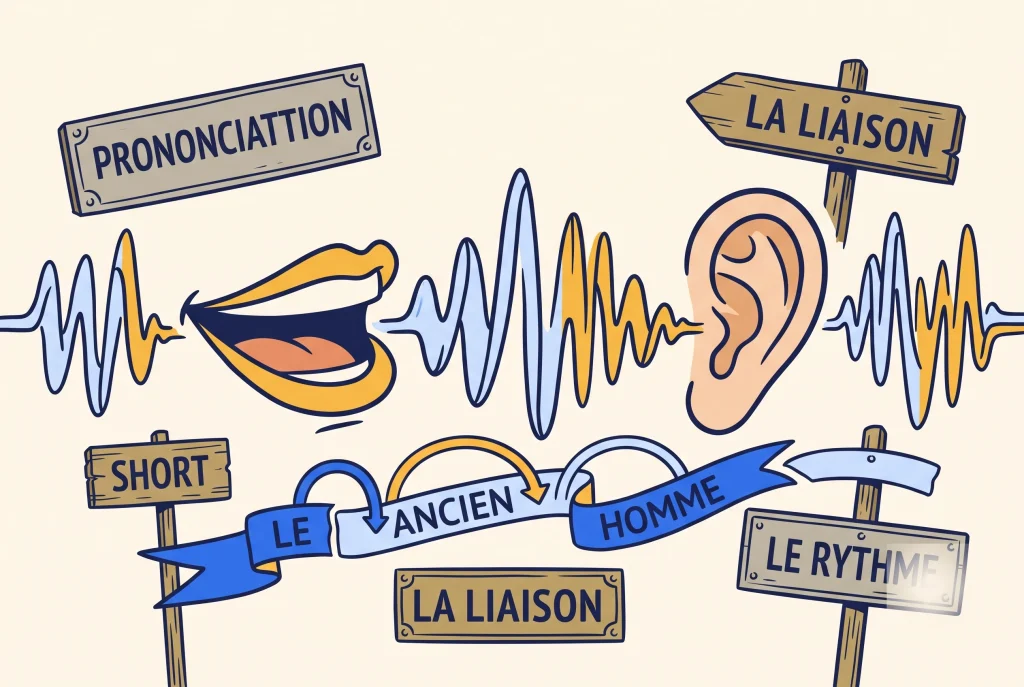
Hear common vowel contrasts and ask for repetition.
Try it yourself
In the pronunciation guide, start with Mouth mechanics and Repair strategies. Listen to three examples, repeat them aloud and practise asking someone to repeat.
Try your first French conversation.
Practise greetings, introductions and asking someone to repeat. Tell your tutor you are starting with the basics.
Find a French tutor →Paid lessons. Compare tutors and prices before booking.
Affiliate link: we may earn a commission when you book.
Choose tu or vous and ask clear questions
Choose an appropriate form of address and ask for the information you need.
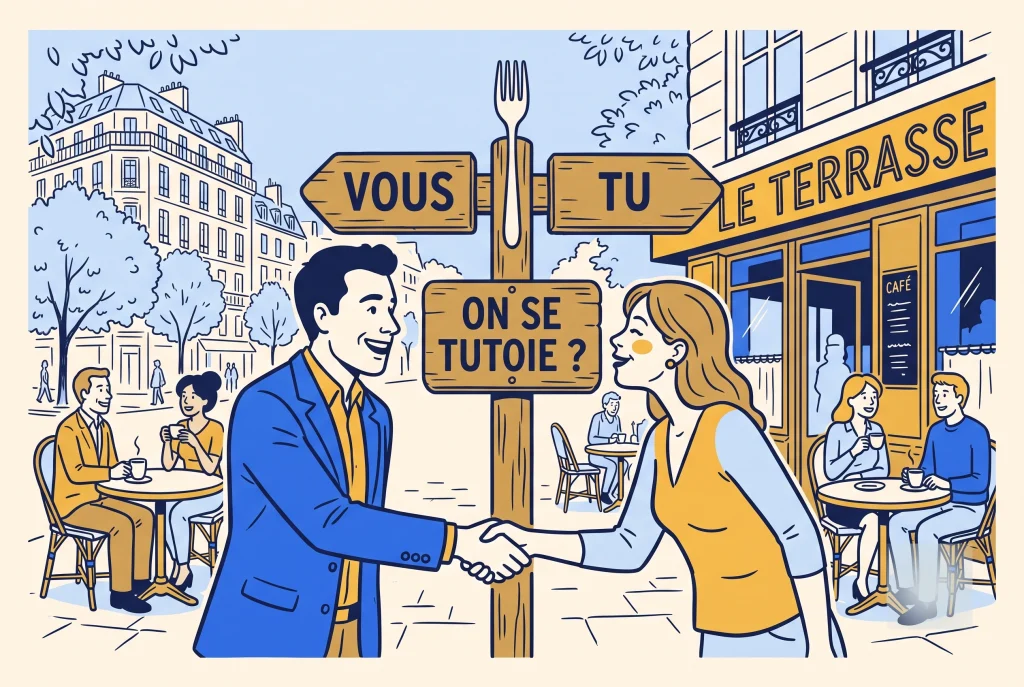 Language Foundations
Tu or Vous in French: Choosing and Switching Politely
Choose tu or vous in French across work, social and everyday situations. Understand uncertainty, polite defaults and how a switch can happen. There is no rule…Read the article Language Foundations
French Questions: Est-ce Que, Intonation and Inversion
Ask questions in French using est-ce que, intonation and inversion. Compare question words and everyday exchanges with translations and audio.Read the article
Put it into practice
Try it yourself
Build a short exchange with a greeting, a clear question and a follow-up. Compare est-ce que with spoken word order, then practise asking for clarification.
Build simple sentences without English shortcuts
Build a short sentence with the right noun article, possessive and negative pattern.
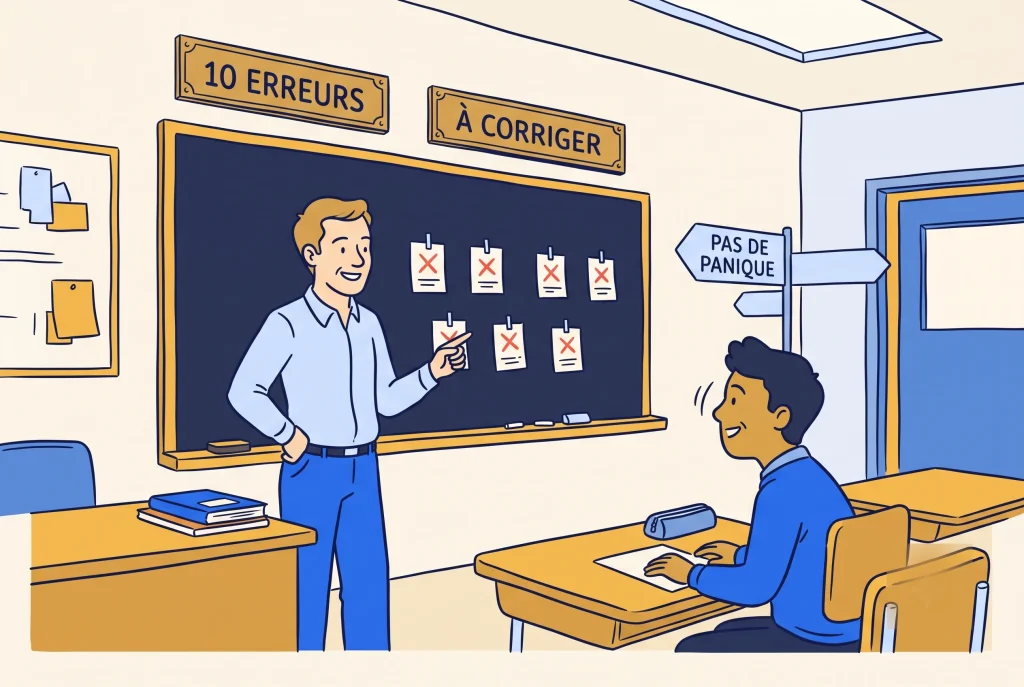 Language Foundations
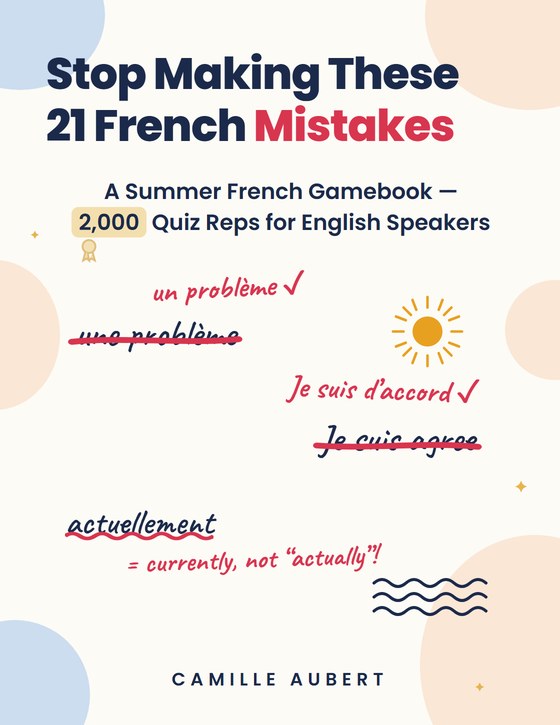
10 Common French Mistakes English Speakers Make
Understand ten common French mistakes involving gender, verbs, prepositions and pronunciation. Compare examples and practical corrections. An error becomes easier to fix when you understand the…Read the article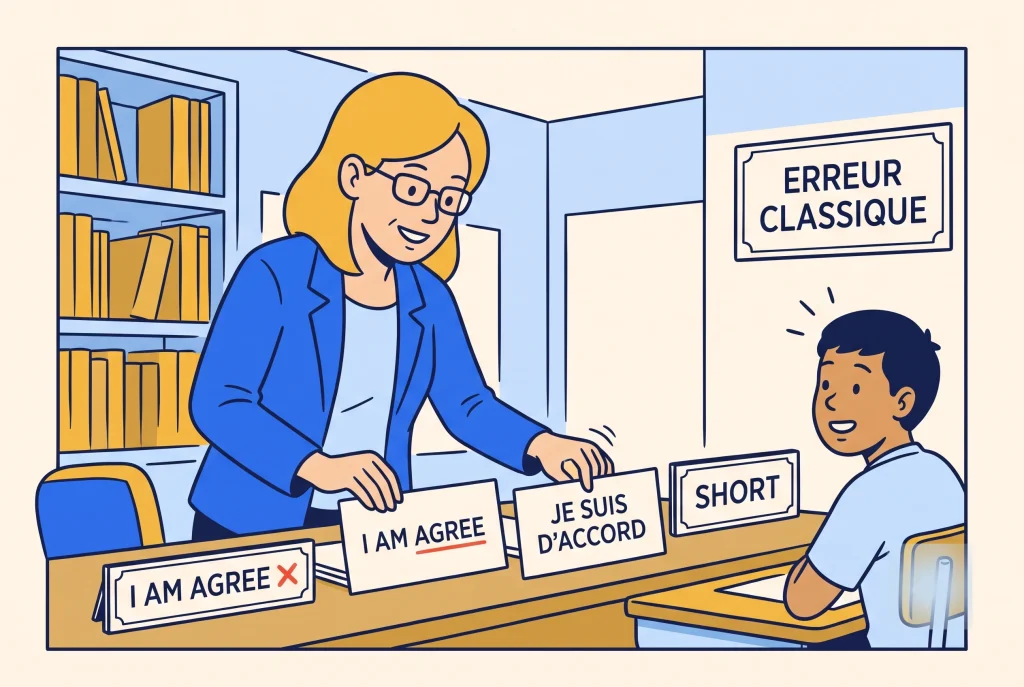 Language Foundations
Agree and Disagree in French: D’accord and Alternatives
Compare ways to agree and disagree in French, and understand why être d’accord differs from English agree. Read translated examples in context. Agreement is not a…Read the article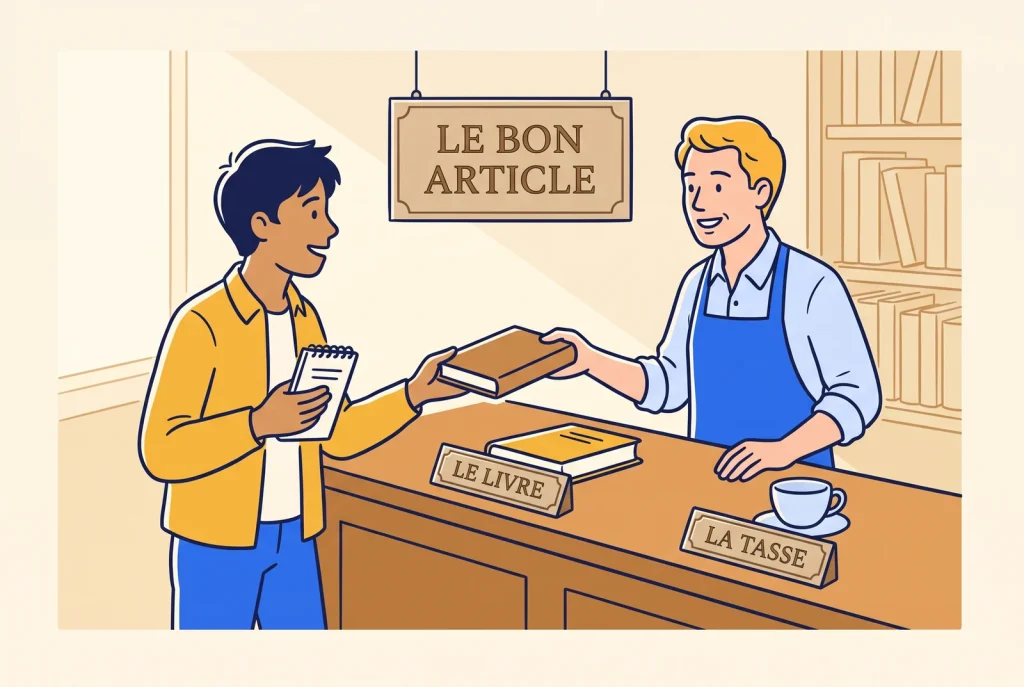 Language Foundations
French Articles: Le, La, Les, Un, Une and Des
Choose definite and indefinite articles in French. Learn gender, plurals and noun phrases through translated examples, audio and practice.Read the article Language Foundations
French Negation: Ne… Pas, Jamais and Plus
Learn French negatives with pas, jamais and plus. Compare word order, article changes and spoken forms through examples and audio.Read the article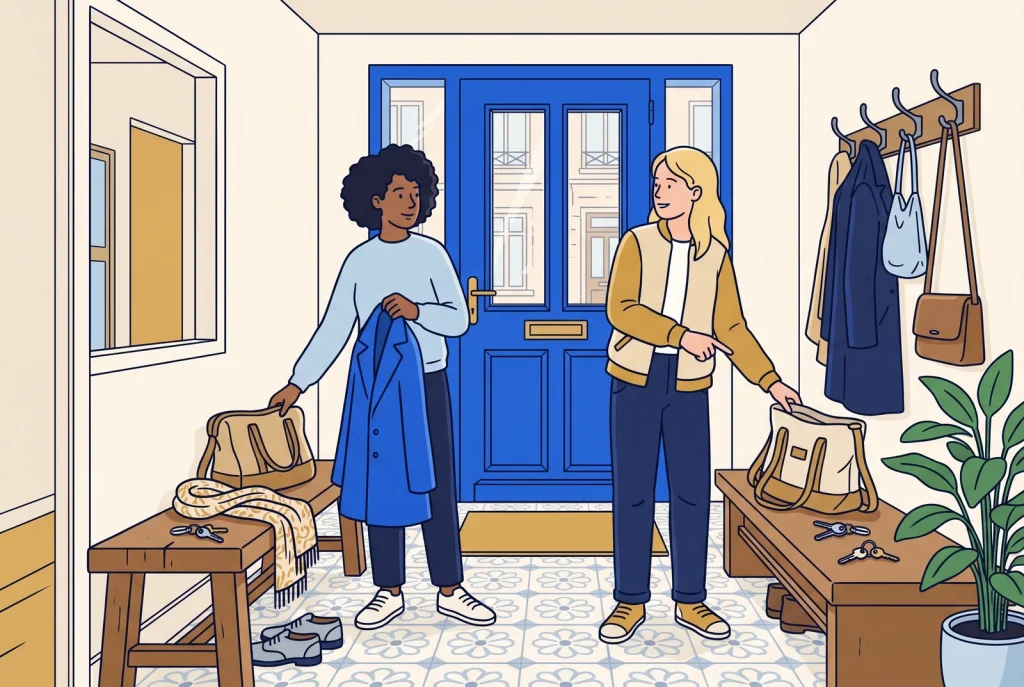 Language Foundations
French Possessives: Mon, Ma, Mes Explained
Choose mon, ma, mes, son, sa and ses with French examples and audio. Learn how the owner, noun and vowel sounds affect your choice.Read the article
Put it into practice
Try it yourself
Describe three belongings, including a feminine noun beginning with a vowel. Explain each possessive choice, then try the linked game.
Use numbers, dates and simple requests
Recognise basic numbers and use a short request in context.
Put it into practice
Try it yourself
Practise numbers first. Then say a café order aloud before opening the café activity.
Give one idea a little practice.
You do not need a long reading list for today. Choose one guide and leave with something you can actually use.
Notice the pattern
Read the examples before trying to memorise a rule. In the Foundations lessons, use the French audio to connect the written phrase with its sound.
Try it for yourself
Use the exercises or linked practice where available. Look at why an answer works, then make a new sentence about your own life.
Meet it again
Listen for the pattern in a conversation or a short text. Return to the lesson when you need a reminder, then choose your next useful topic.

Make this the French you actually use.
You have explored the lessons. Now put the language to work. Practise the mistakes that hold you back, then take your French into a real conversation.
Try your first French conversation.
Practise greetings, introductions and asking someone to repeat. Tell your tutor you are starting with the basics.
Choose a tutor, compare lesson prices and book a conversation with a clear goal. Bring one point from your reading, try it aloud and leave with something specific to practise next.
Find my French tutor →Paid lessons. Compare tutors and prices before booking.
Affiliate link: we may earn a commission when you book.
Keep a little French in your inbox.
Get an email when a new article is published. A fresh explanation, a useful phrase or a new topic to explore, ready when you have a moment for French.