B1 French Lessons: Past Tenses and Pronouns
Tell a story and make references clear. Compare past-tense viewpoints, place an earlier event with the plus-que-parfait, and use object pronouns, y and en without losing the meaning. Apply each distinction in a short account.

 Le mur du B1? On l’escalade ensemble. 🧗
Connect your ideas with confidence.
A good story gives the listener a clear sequence and clear references. Start with the main event, add what had happened beforehand, and replace a repeated noun only when its meaning remains obvious. The examples let you compare these choices in connected situations.
A useful way to begin
Try retelling something that happened to you. Notice where you need a tense, a linking word or a pronoun, then use the relevant theme to improve your version.
This collection covers the lessons currently available at this level. Follow the themes that help you; it is not a complete CEFR course. Not sure where to start? Try the level quiz.
Tell a story with background and events
Distinguish the main past event from its background and from what had already happened.
 Language Foundations
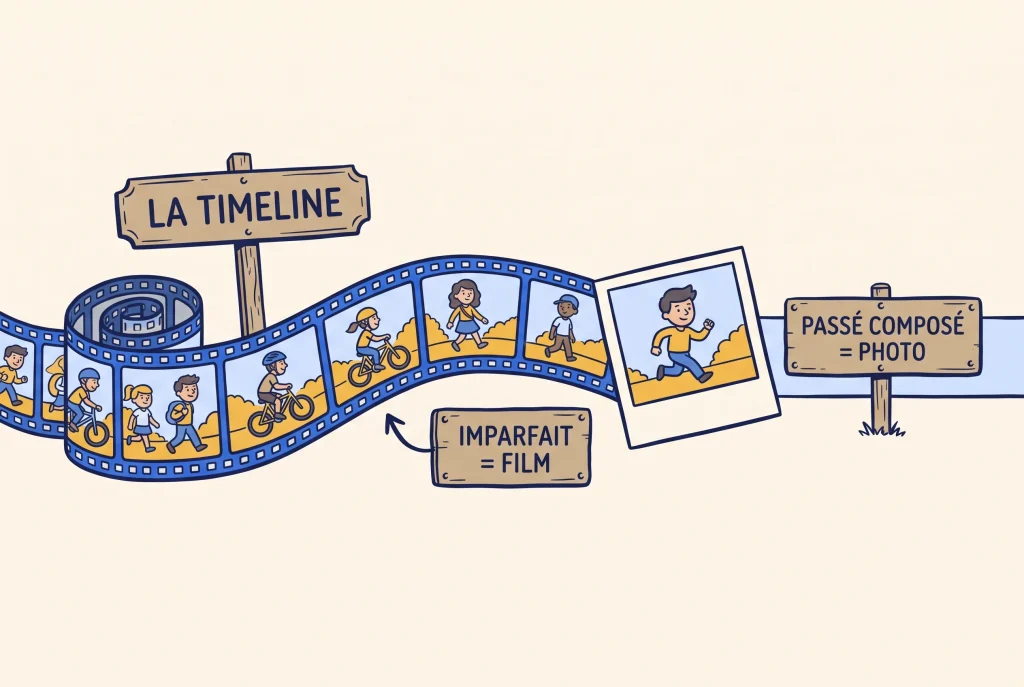
Imparfait vs Passé Composé: Examples and Timeline
Choose imparfait or passé composé with a timeline method. Compare background, habits and completed events through translated examples and audio. Both tenses describe the past, but…Read the article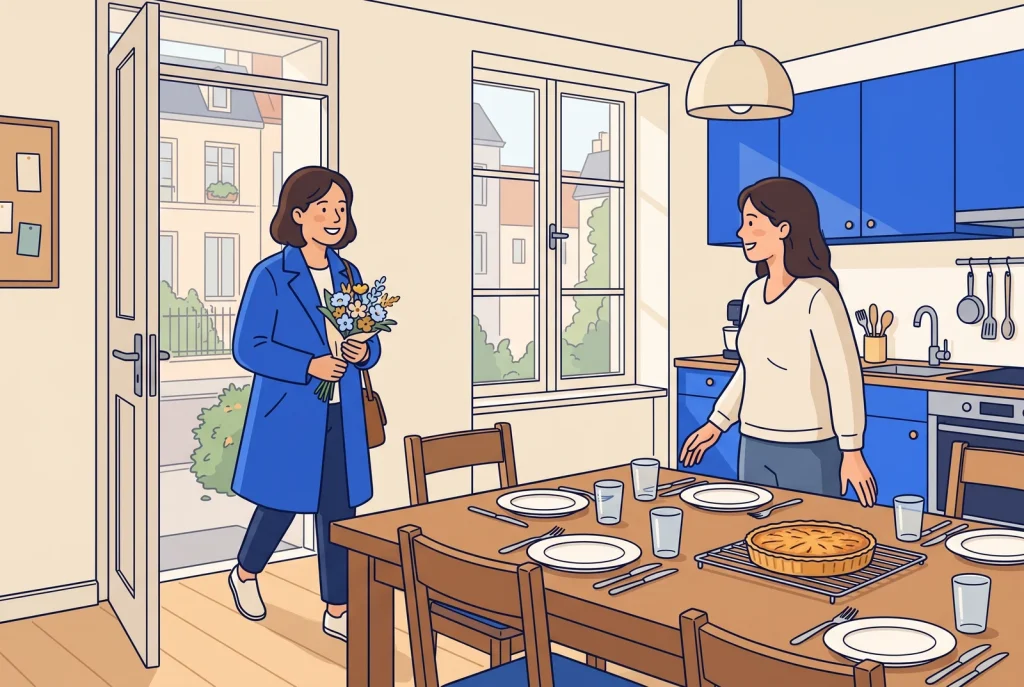 Language Foundations
French Plus-que-parfait: Formation and Examples
Learn the French plus-que-parfait with avoir and être. Follow earlier past events and compare tenses through translated examples and audio.Read the article
Put it into practice

Try it yourself
Retell a short incident. Establish the main past event, explain what had already happened, and check each pronoun reference.
Tell the story in your own words.
Talk through an experience, explain a choice and practise answering follow-up questions.
Find a French tutor →Paid lessons. Compare tutors and prices before booking.
Affiliate link: we may earn a commission when you book.
Make connected sentences less repetitive
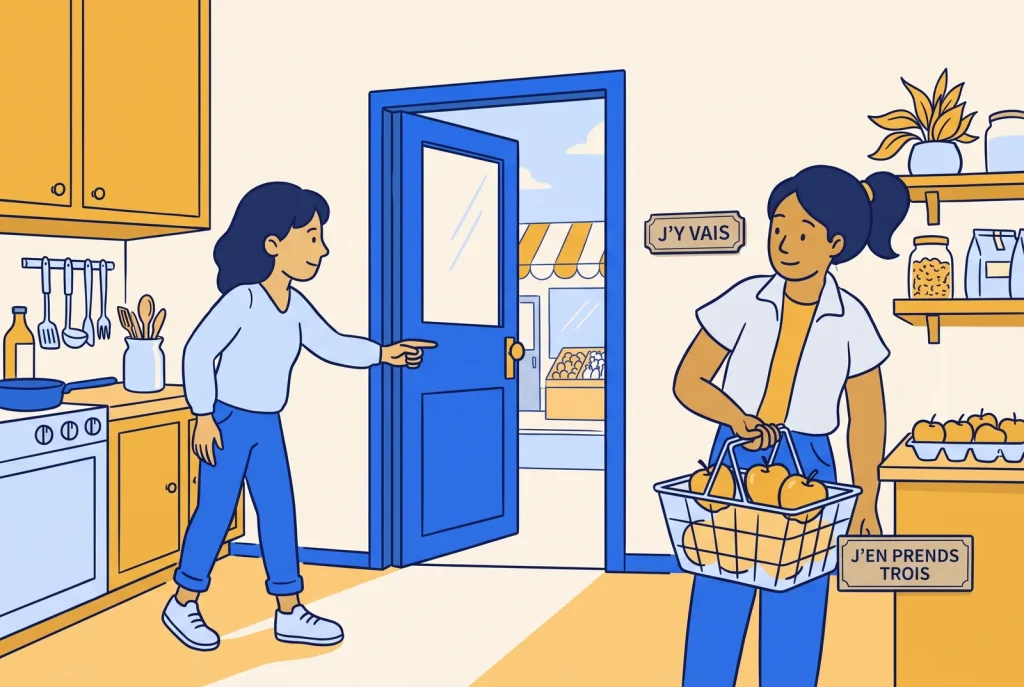
Practise replacing repeated information with y and en.
 Language Foundations
Y and En in French: Meaning, Position and Examples
Learn what French y and en replace, where they go and when to keep a quantity. Compare places, complements and commands with audio examples.Read the article Language Foundations
French Object Pronouns: Le, Lui, Leur and Word Order
Understand direct and indirect French object pronouns, double-pronoun order and commands. Compare examples with translations and audio.Read the article
Put it into practice
Try it yourself
Name the object and recipient before replacing them. Compare le lui, les leur and me le, then try an affirmative and a negative command.
Express agreement, wishes and uncertainty
Choose useful agreement phrases and recognise common subjunctive constructions.
 Language Foundations
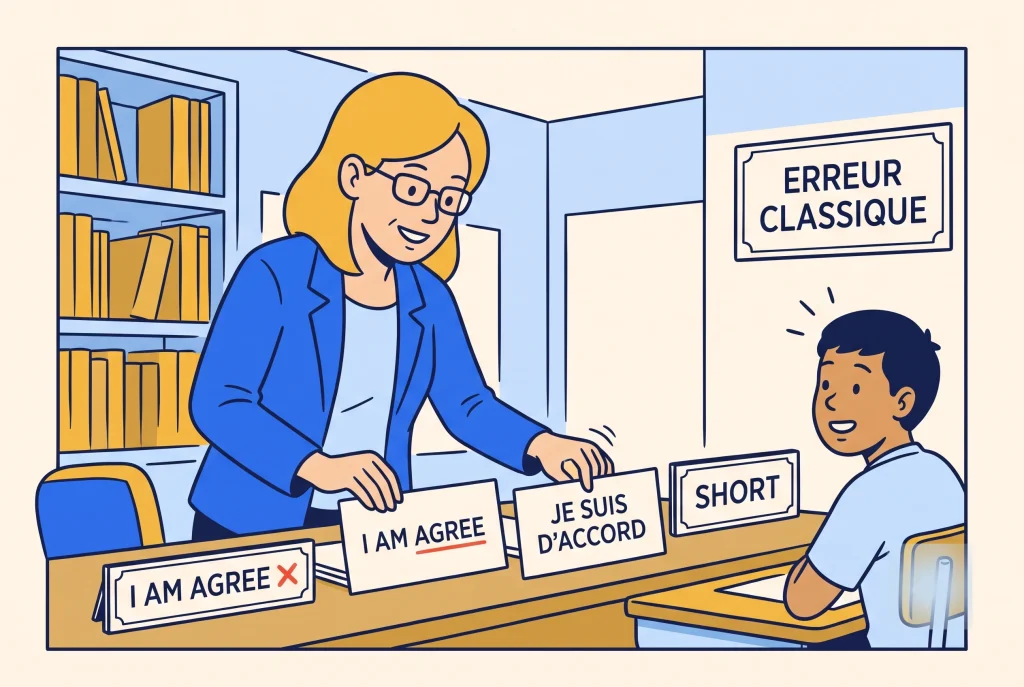
Agree and Disagree in French: D’accord and Alternatives
Compare ways to agree and disagree in French, and understand why être d’accord differs from English agree. Read translated examples in context. Agreement is not a…Read the article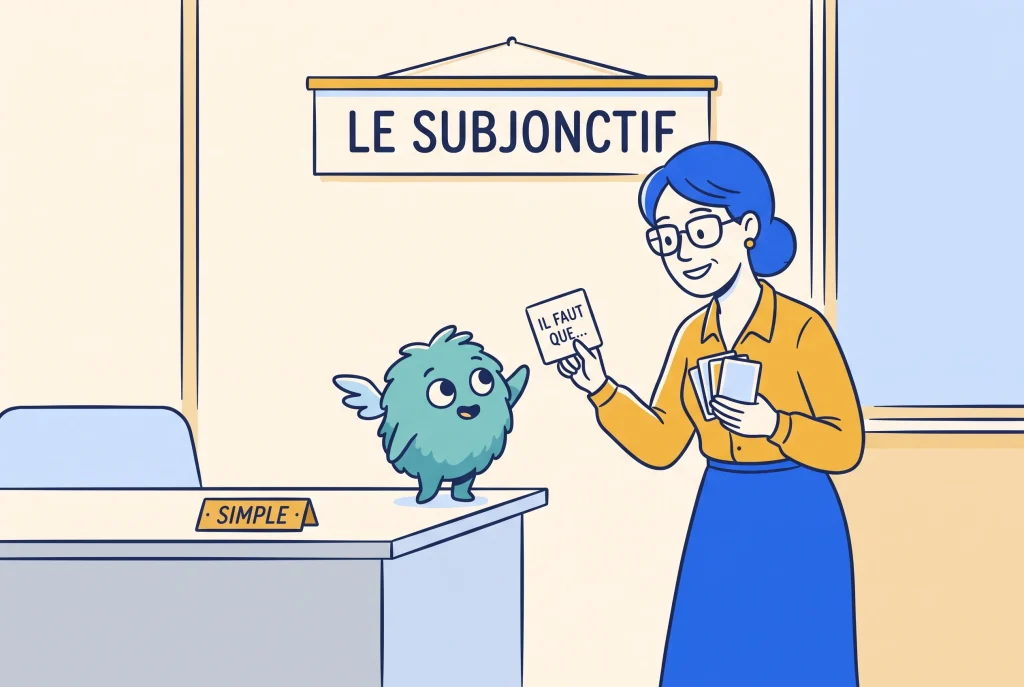 Language Foundations
French Subjunctive: Uses, Forms and Examples
Learn French subjunctive triggers, regular and irregular forms, and common exceptions. Compare examples and practise choosing the correct mood. The subjunctive depends on the expression and…Read the article
Try it yourself
Read the 12 agreement expressions, then the subjunctive guide's two-subject rule and common triggers. Write an opinion, a wish and a doubt; use the guide's examples to check the construction.
Understand everyday French beyond one accent
Notice regional vocabulary and connected-speech patterns.
 Language Foundations
Belgian French vs France French: Words and Numbers
Compare Belgian and France French numbers, meal names, vocabulary and expressions. Learn the differences through examples and context. Belgian French and France French share a language,…Read the article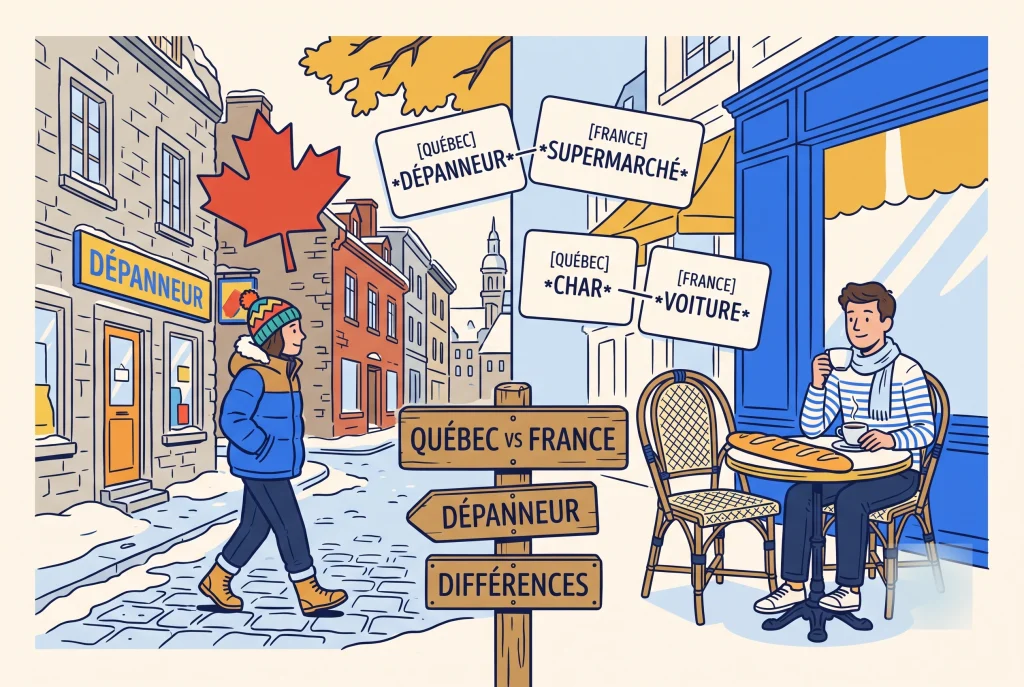 Language Foundations
Québec French vs France French: Key Differences
Compare Québec and France French pronunciation, vocabulary and everyday expressions. Learn what changes and choose practice for your destination. The most useful differences depend on where…Read the article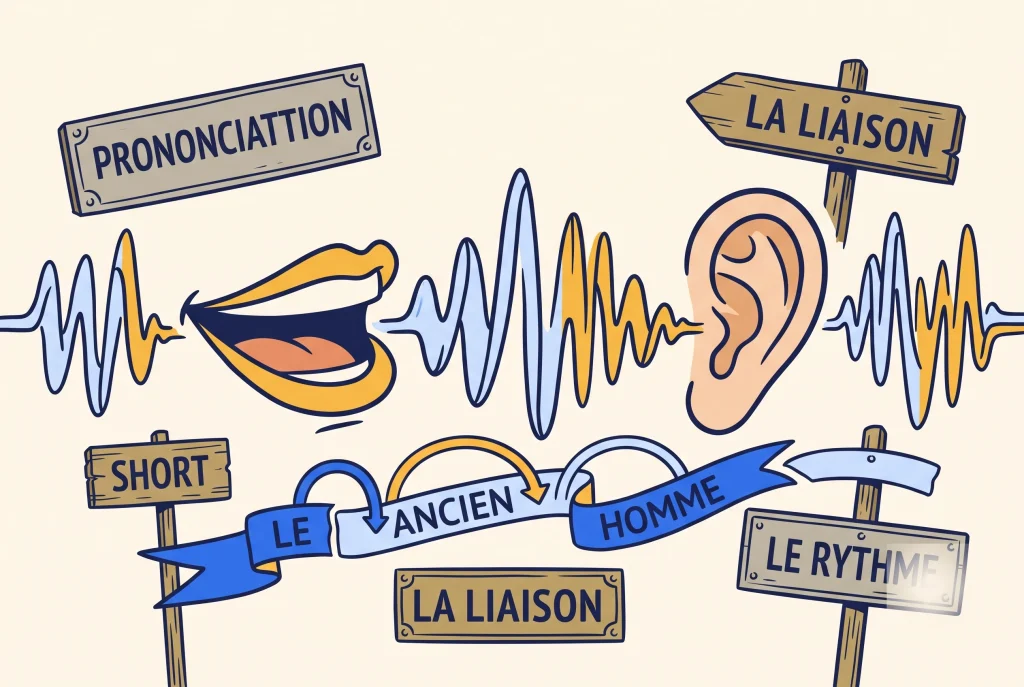 Language Foundations
Understand Spoken French: Liaison, Rhythm and Reductions
Understand spoken French through liaison, rhythm, reduced forms and word groups. Compare examples and recover when you miss a phrase. Missed words often come from sound…Read the article
Put it into practice

Try it yourself
Compare the Belgium and Quebec examples without trying to memorise every word. Keep a short list of differences you are likely to hear, then listen for phrase groups in the Briefing.
Give one idea a little practice.
You do not need a long reading list for today. Choose one guide and leave with something you can actually use.
Notice the pattern
Read the examples before trying to memorise a rule. In the Foundations lessons, use the French audio to connect the written phrase with its sound.
Try it for yourself
Use the exercises or linked practice where available. Look at why an answer works, then make a new sentence about your own life.
Meet it again
Listen for the pattern in a conversation or a short text. Return to the lesson when you need a reminder, then choose your next useful topic.

Make this the French you actually use.
You have explored the lessons. Now put the language to work. Practise the mistakes that hold you back, then take your French into a real conversation.
Tell the story in your own words.
Talk through an experience, explain a choice and practise answering follow-up questions.
Choose a tutor, compare lesson prices and book a conversation with a clear goal. Bring one point from your reading, try it aloud and leave with something specific to practise next.
Find my French tutor →Paid lessons. Compare tutors and prices before booking.
Affiliate link: we may earn a commission when you book.

Keep a little French in your inbox.
Get an email when a new article is published. A fresh explanation, a useful phrase or a new topic to explore, ready when you have a moment for French.