Build a French routine that fits your life
Build a study plan around a practical goal and the time you can sustain. Compare books, apps and reference tools, then add listening and speaking tasks. The path helps you choose a small toolkit and review how you use it.
 On arrête de zapper. On avance. 🧭
Build a routine you can return to.
A useful study plan starts with what you want to do in French, then makes space for it in your actual week. Explore the guides below to set a goal, choose a few reliable tools and give listening, reading and speaking a regular place.
A useful way to begin
Start with your goal if everything feels scattered. If you already have a routine, go straight to the tool or speaking guide that answers your next question.
Set a realistic goal
Write one concrete goal, a weekly time budget and a review date.
 Learning Methods & Tools
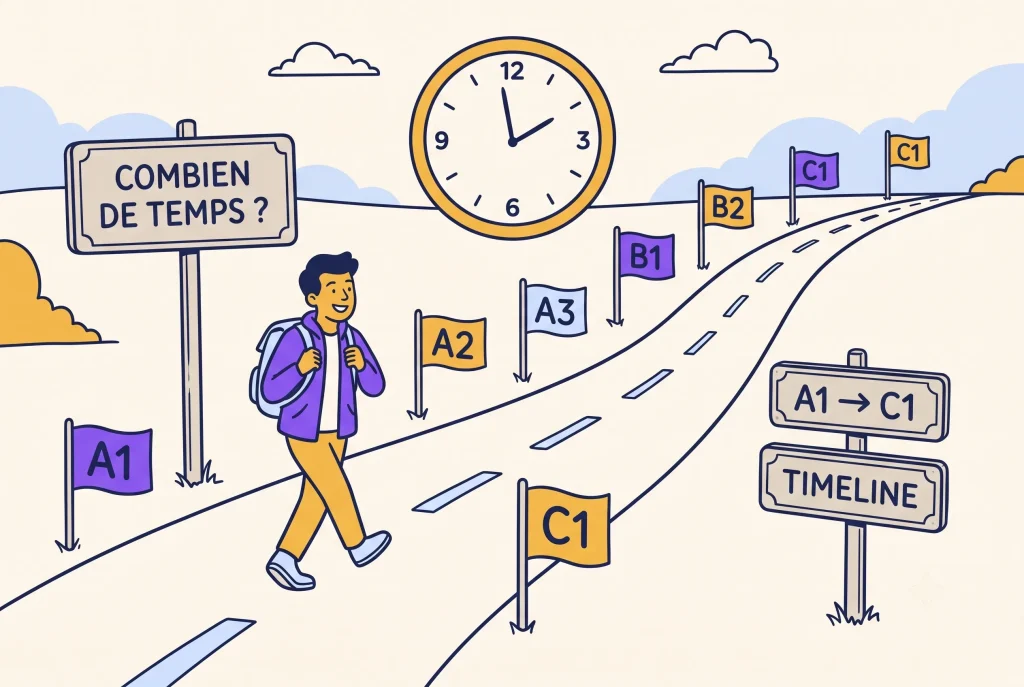
How Long Does It Take to Learn French? A Planning Guide
Plan your French learning timeline around your goals, weekly study time and practice. Understand CEFR milestones without fixed fluency promises. There is no single timeline for…Read the article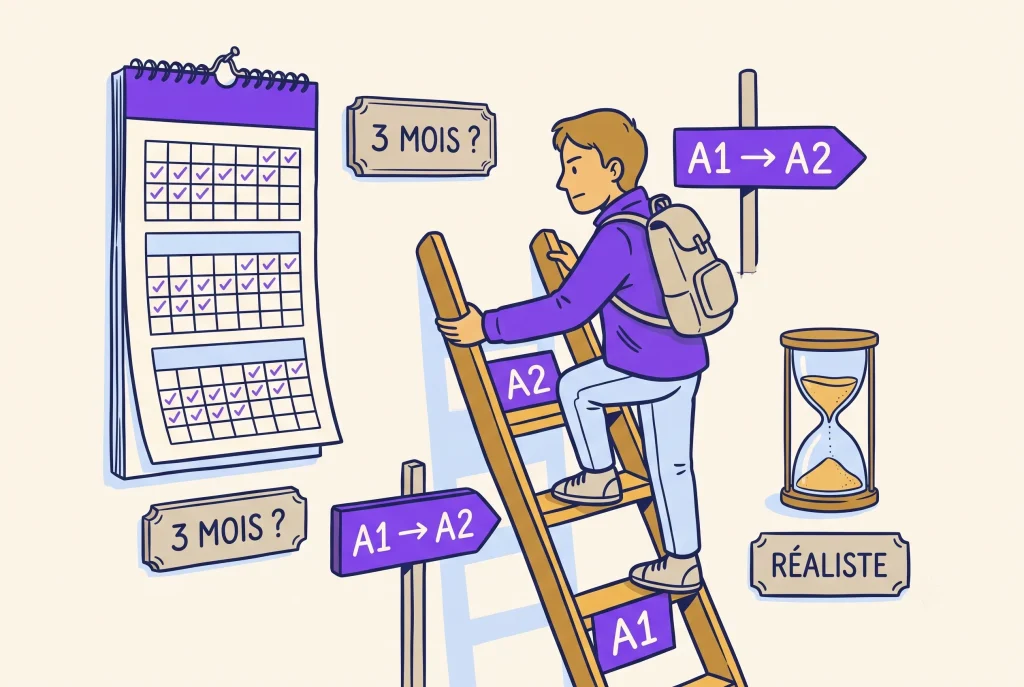 Learning Methods & Tools
Learn French in 3 Months: Goals and a Study Plan
Set realistic goals for three months of French study. Compare time commitments, priorities and milestones, then plan how to continue learning. Three months is a planning…Read the article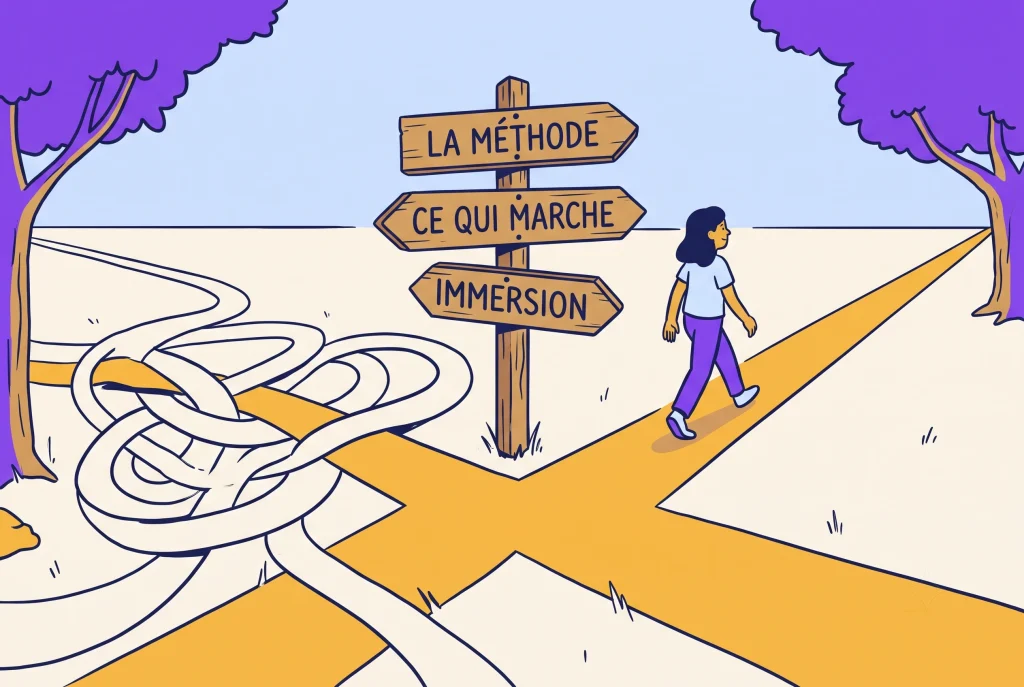 Learning Methods & Tools
How to Learn French: A Practical Plan for English Speakers
Build a French study plan combining listening, reading, recall and speaking. Adapt the routine to your level, available time and practical goals. A useful plan connects…Read the article
Try it yourself
Read the timeline, use the three-month guide only if that deadline applies, then build your method.
Write your goal and weekly study schedule.
Give your routine a speaking slot.
Bring your learning goal and a topic you enjoy. Plan a conversation you can prepare for and build into your week.
Find a French tutor →Paid lessons. Compare tutors and prices before booking.
Affiliate link: we may earn a commission when you book.
Choose a small toolkit
Choose one main study resource, one lookup tool and a way to type French.
 Learning Methods & Tools
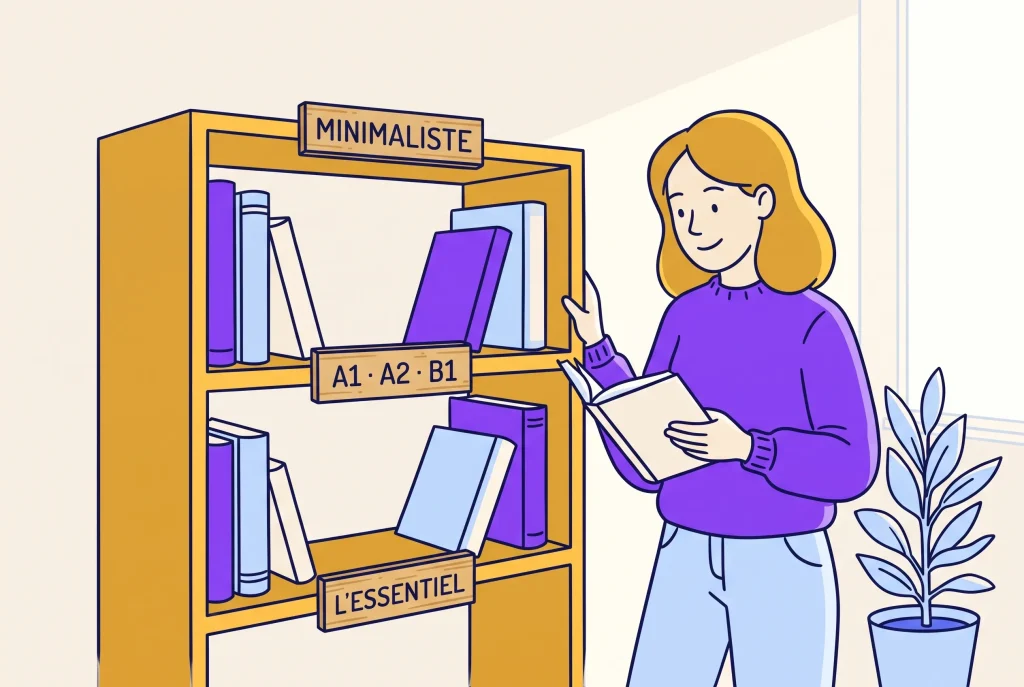
How many French books do you really need?
Choose a small set of French study books for your level. Compare textbooks, readers and reference tools, and build a routine around what you use. You…Read the article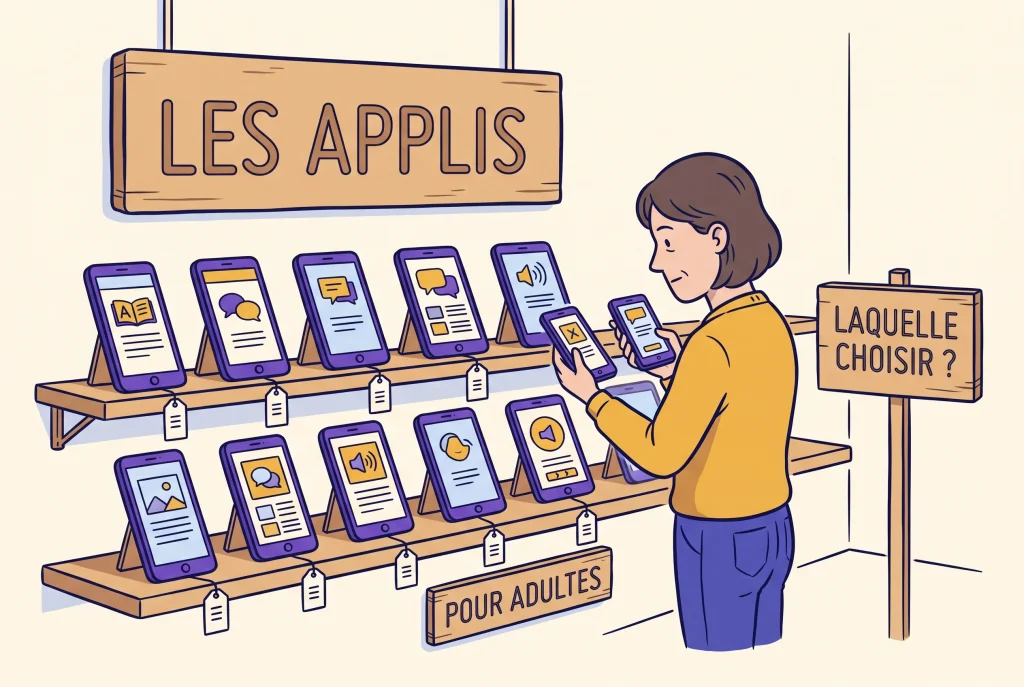 Learning Methods & Tools
French Learning Apps Compared: Choose by Your Goal
Compare French learning apps for drills, listening, conversation and feedback. Understand their limits and choose a tool that fits your routine. An app can help with…Read the article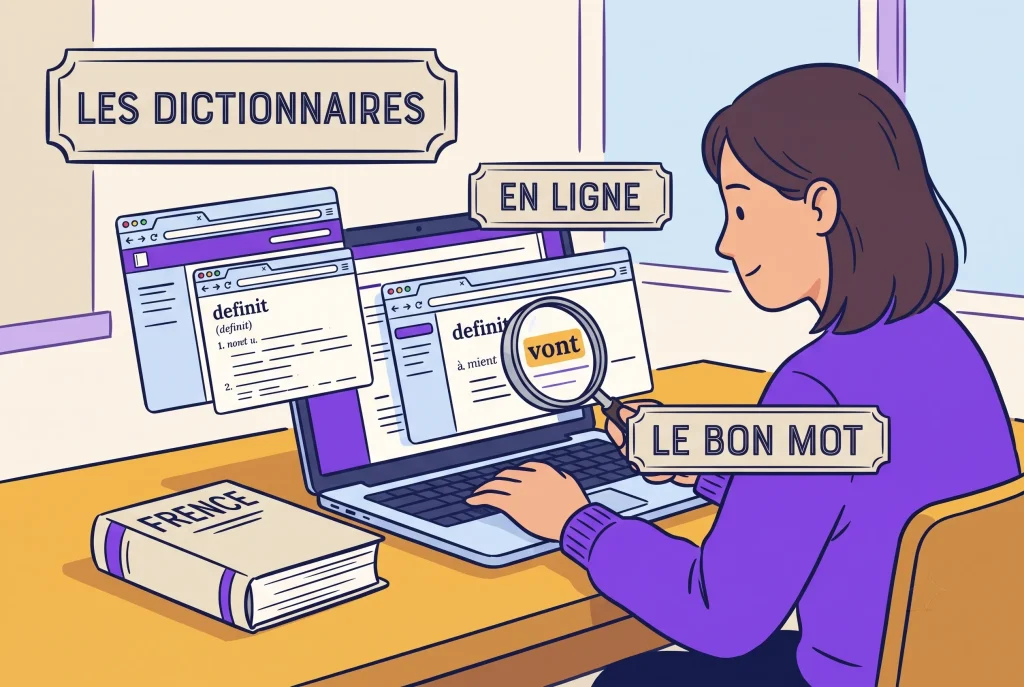 Learning Methods & Tools
French–English Dictionaries: Which Tool to Use
Compare French–English dictionaries and context tools. Learn to check meaning, gender, register and conjugation with a practical lookup method. Different tools answer different questions: a definition,…Read the article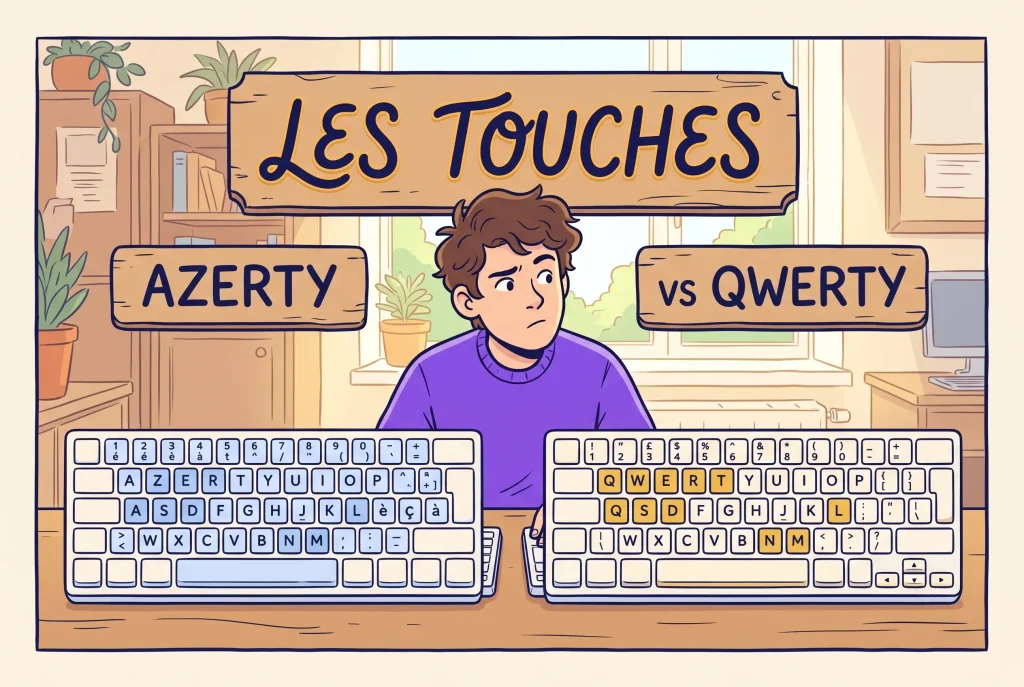 Learning Methods & Tools
AZERTY vs QWERTY: French Keyboard Differences
Compare AZERTY and QWERTY layouts, typing French accents and setup options. Learn keyboard vocabulary before changing layouts or buying accessories. The letters are only part of…Read the article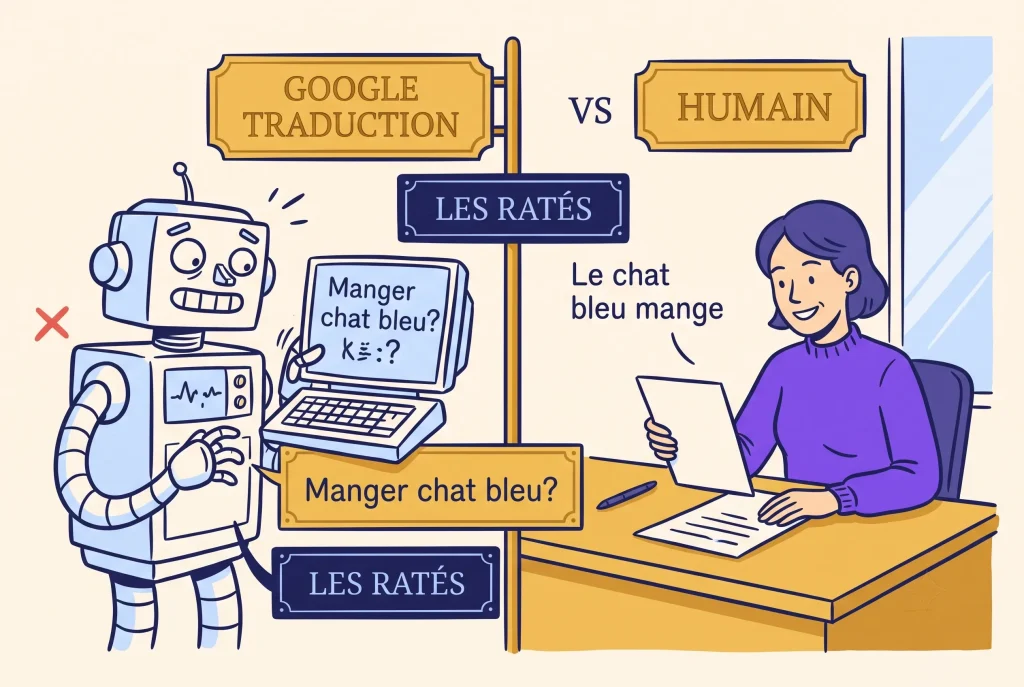 Learning Methods & Tools
French Translation Mistakes: Checking Google Translate
Check French machine translations for context, idioms and register. Compare possible errors and follow a practical revision workflow. A fluent-looking translation can still change the meaning…Read the article
Try it yourself
Start with the book setup. Compare apps if needed; dictionaries, keyboard and translation checks are practical references, not compulsory purchases.
Choose one main resource and save your reference tools.
Make the routine sustainable
Schedule seven days of practice and remove one obstacle to speaking.
 Learning Methods & Tools
A 15-Minute French Routine for Busy Professionals
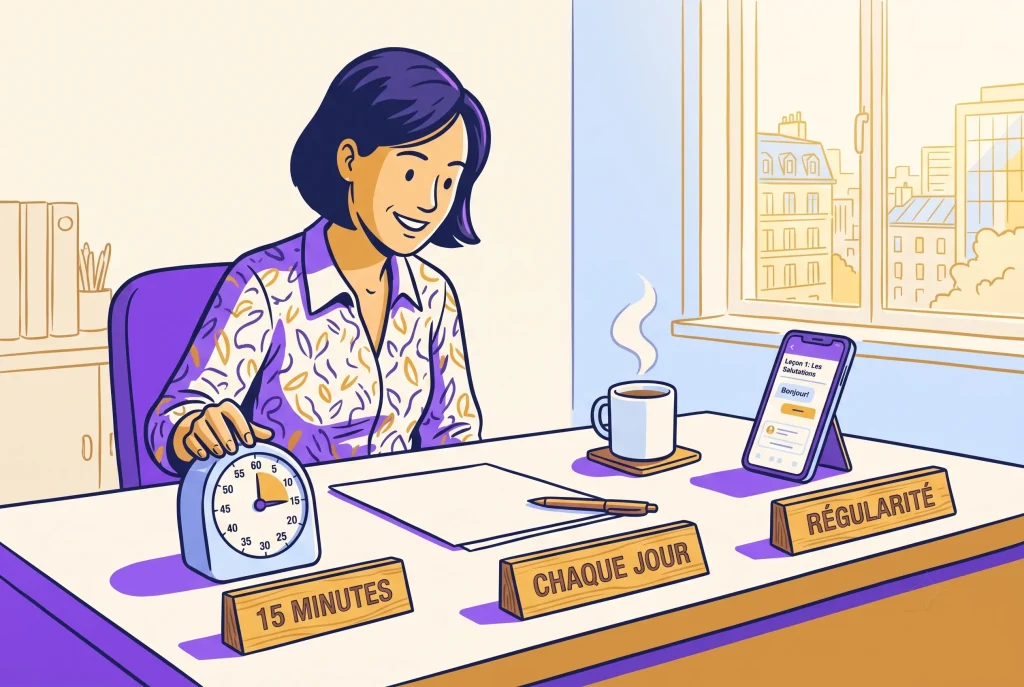
Build a manageable 15-minute French routine with listening, recall and speaking. Adapt the tasks to your level and track regular practice. A short routine is useful…Read the article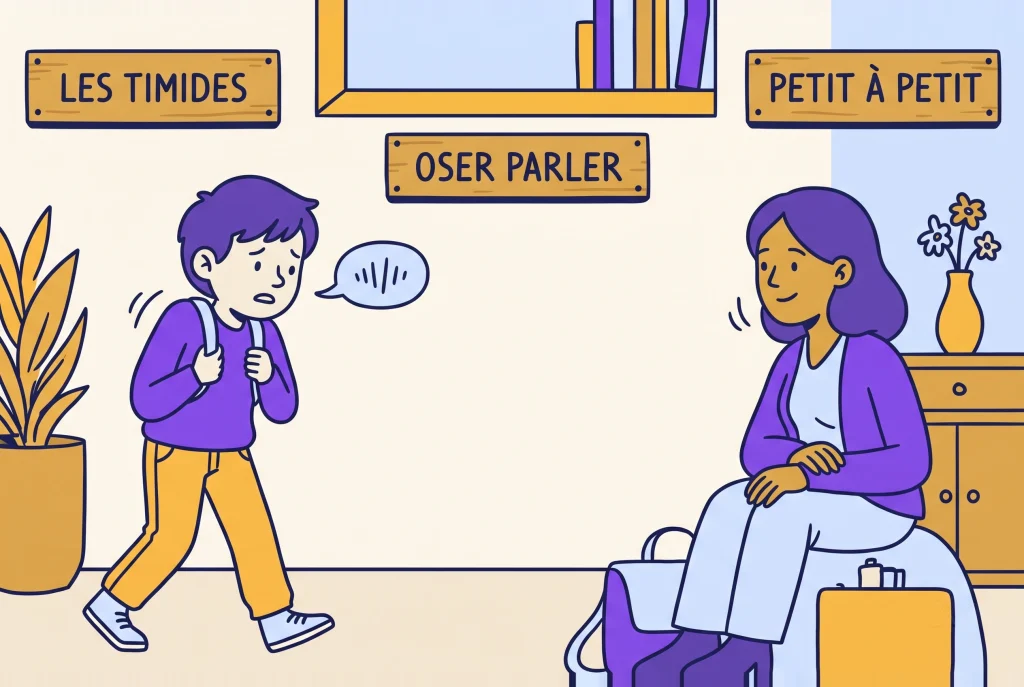 Learning Methods & Tools
Speaking French as a Shy Beginner: Practical Steps
Practise speaking French through small, manageable exchanges. Find starter phrases, rehearsal methods and a gradual plan for shy beginners. A short exchange is a useful practice…Read the article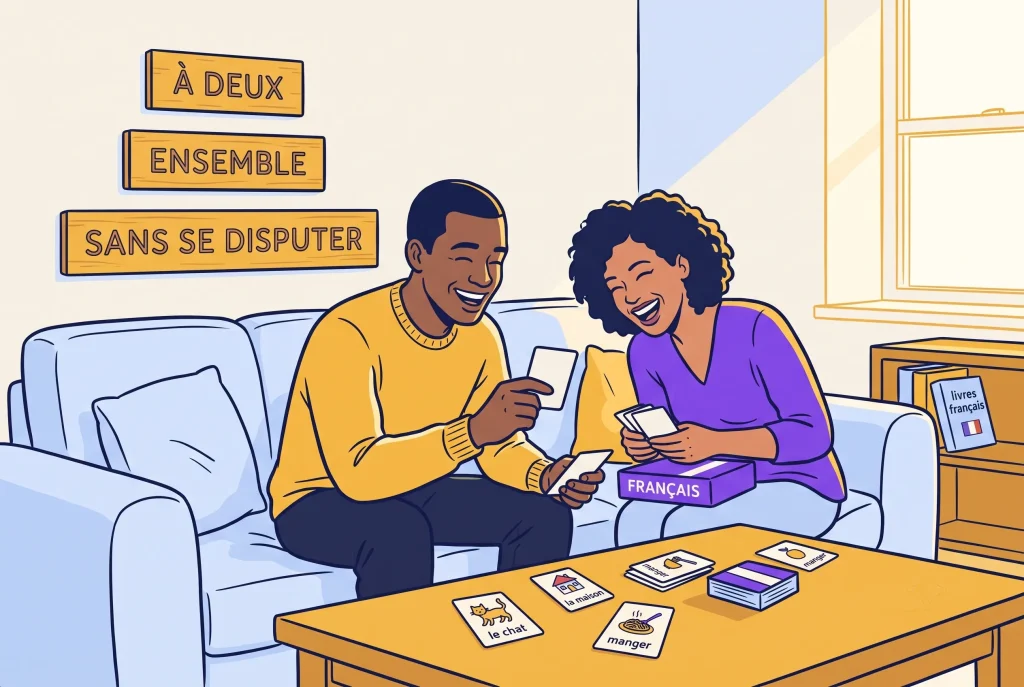 Learning Methods & Tools
Learn French as a Couple: Activities and Study Habits
Build a French study routine with your partner. Compare shared activities, different learning speeds and ways to give useful feedback. Partners do not need to progress…Read the article
Try it yourself
The routine is the core step; confidence and couples guides are optional branches.
Schedule seven days of practice.
Put French into use
Prepare a tutoring conversation or a short French-only daily activity.
 Learning Methods & Tools
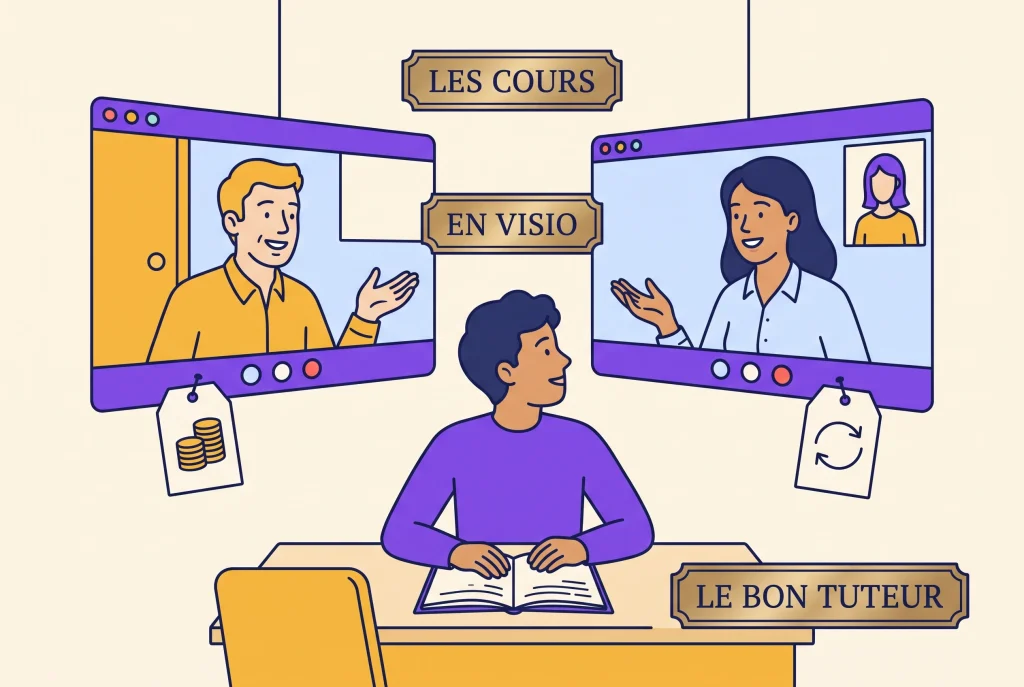
italki vs Preply for French: Lessons and Costs Compared
Compare italki and Preply for French lessons: payment models, tutor choice, trials and cancellation rules. Choose according to your study routine. The useful comparison is how…Read the article Learning Methods & Tools
How to Think in French: Exercises for Everyday Practice
Practise thinking in French with short narration, familiar word groups and focused listening. Build direct associations without banning translation. Thinking in French grows through familiar words…Read the article
Try it yourself
Tutoring remains optional. Finish by reviewing your initial goal.
Try one French-only activity and review your goal.
Give one idea a little practice.
You do not need a long reading list for today. Choose one guide and leave with something you can actually use.
Notice the pattern
Read the examples before trying to memorise a rule. In the Foundations lessons, use the French audio to connect the written phrase with its sound.
Try it for yourself
Use the exercises or linked practice where available. Look at why an answer works, then make a new sentence about your own life.
Meet it again
Listen for the pattern in a conversation or a short text. Return to the lesson when you need a reminder, then choose your next useful topic.
Make this the French you actually use.
You have explored the lessons. Now put the language to work. Practise the mistakes that hold you back, then take your French into a real conversation.
Give your routine a speaking slot.
Bring your learning goal and a topic you enjoy. Plan a conversation you can prepare for and build into your week.
Choose a tutor, compare lesson prices and book a conversation with a clear goal. Bring one point from your reading, try it aloud and leave with something specific to practise next.
Find my French tutor →Paid lessons. Compare tutors and prices before booking.
Affiliate link: we may earn a commission when you book.
Keep a little French in your inbox.
Get an email when a new article is published. A fresh explanation, a useful phrase or a new topic to explore, ready when you have a moment for French.